• Interlocking Anti Fatigue Mats: A Smarter Solution for Safer, More Comfortable Workplaces

    Interlocking Anti Fatigue Mats: A Smarter Solution for Safer, More Comfortable Workplaces

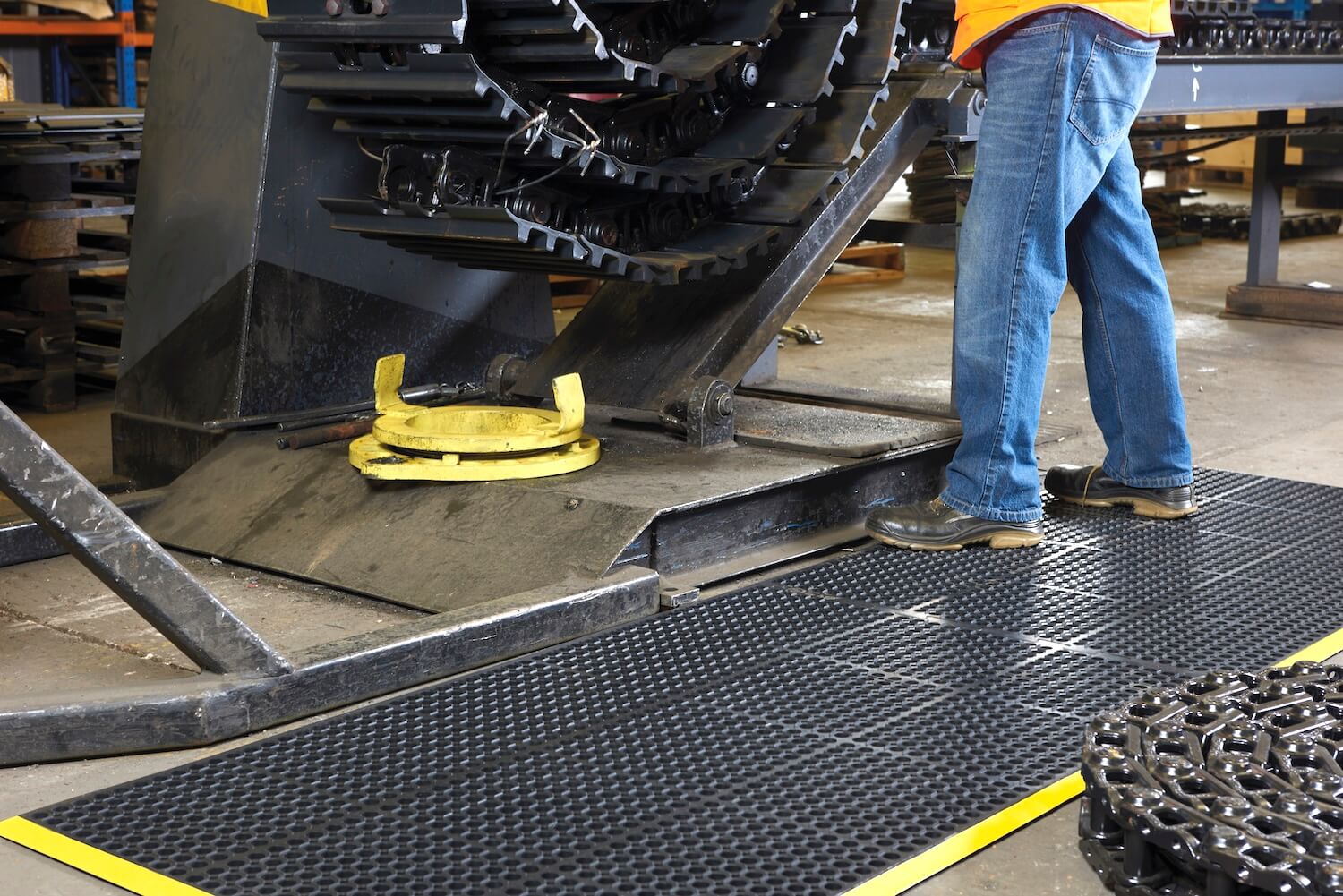
    In industrial, manufacturing, and commercial environments, workers often spend long hours standing on hard surfaces. Over time, this can lead to fatigue, discomfort, and even long-term health issues. That’s why businesses across multiple sectors are investing in interlocking anti fatigue mats and ergonomic floor matting solutions.

    Designed to reduce strain on the body and improve workplace safety, modern anti-fatigue matting provides a simple but highly effective way to improve employee comfort and productivity. Strata’s range of anti-fatigue mats offers durable, high-performance options suited for factories, workshops, warehouses, and other demanding environments.

    What Are Interlocking Anti Fatigue Mats?

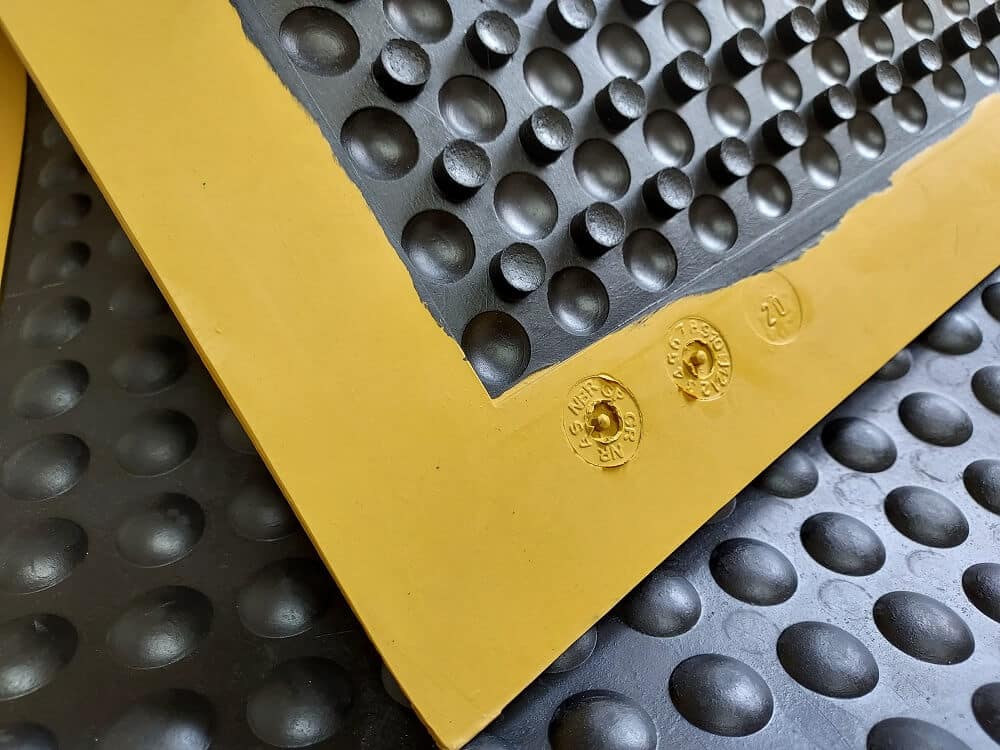
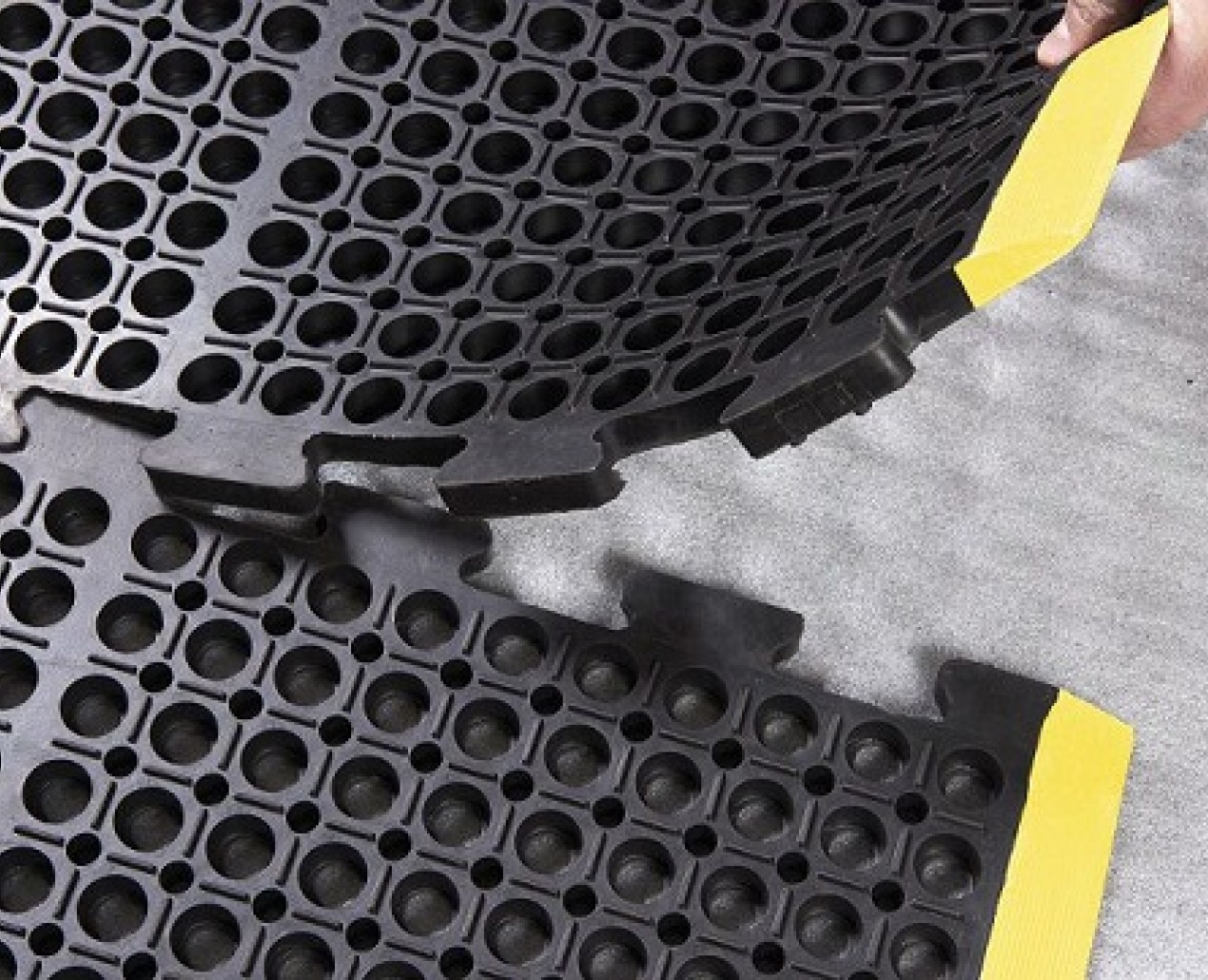
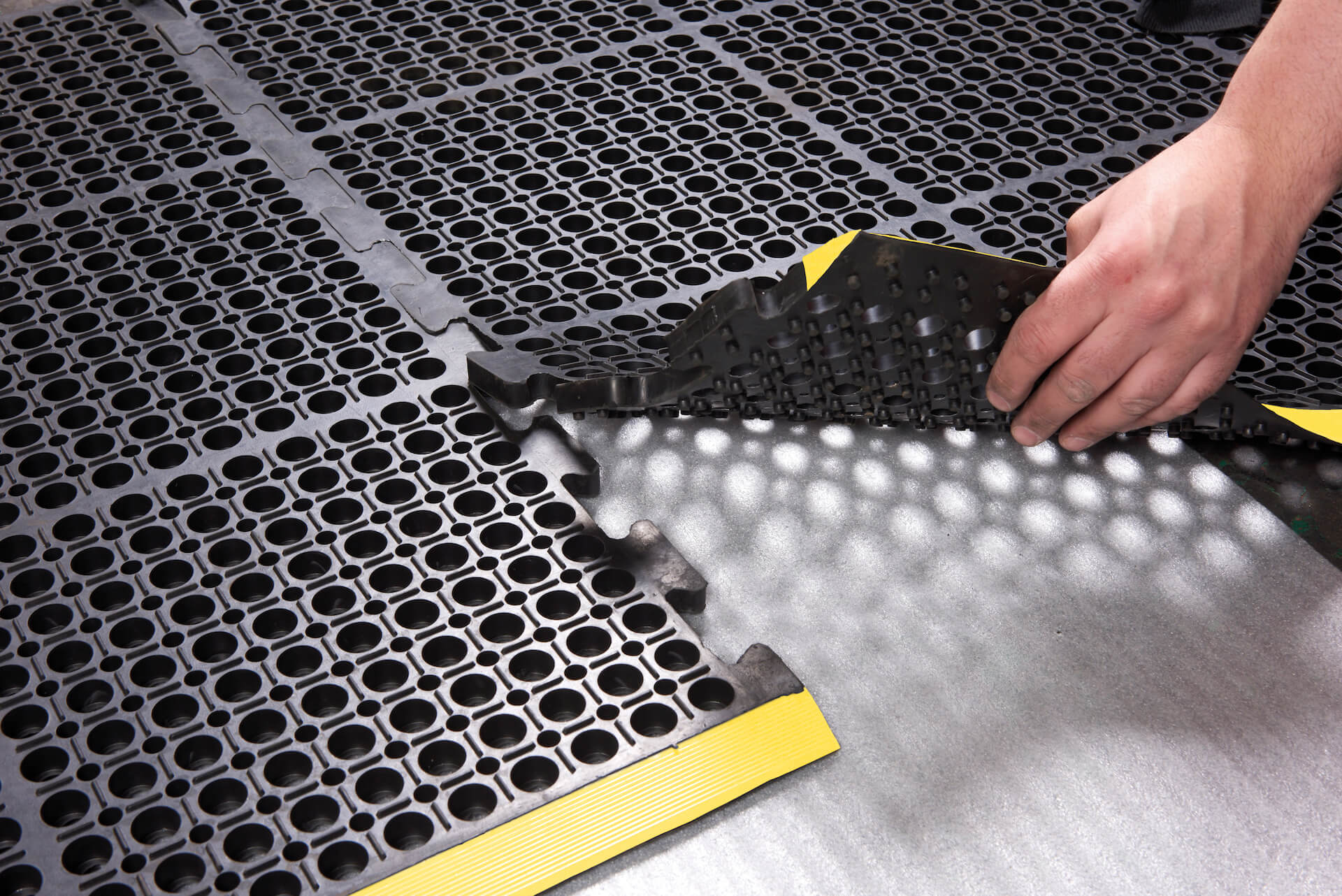
    Interlocking anti fatigue mats are modular floor matting systems made from durable materials that lock together like puzzle pieces. This allows businesses to create custom mat layouts that fit the exact size and shape of a workspace.

    These mats provide several key advantages:

    • Flexible installation – easily cover large work areas or individual workstations
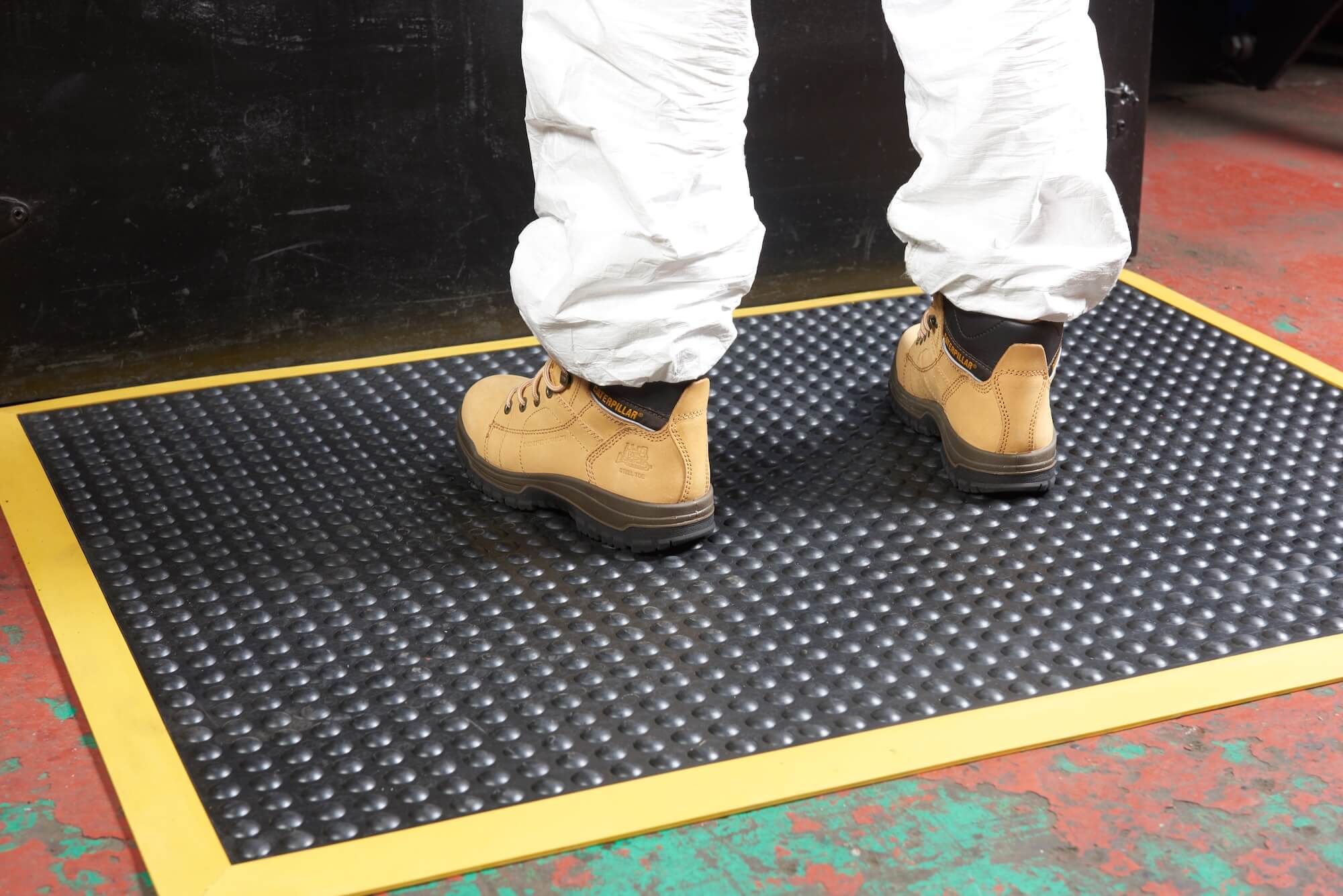
    • Ergonomic comfort – cushioning reduces fatigue from prolonged standing
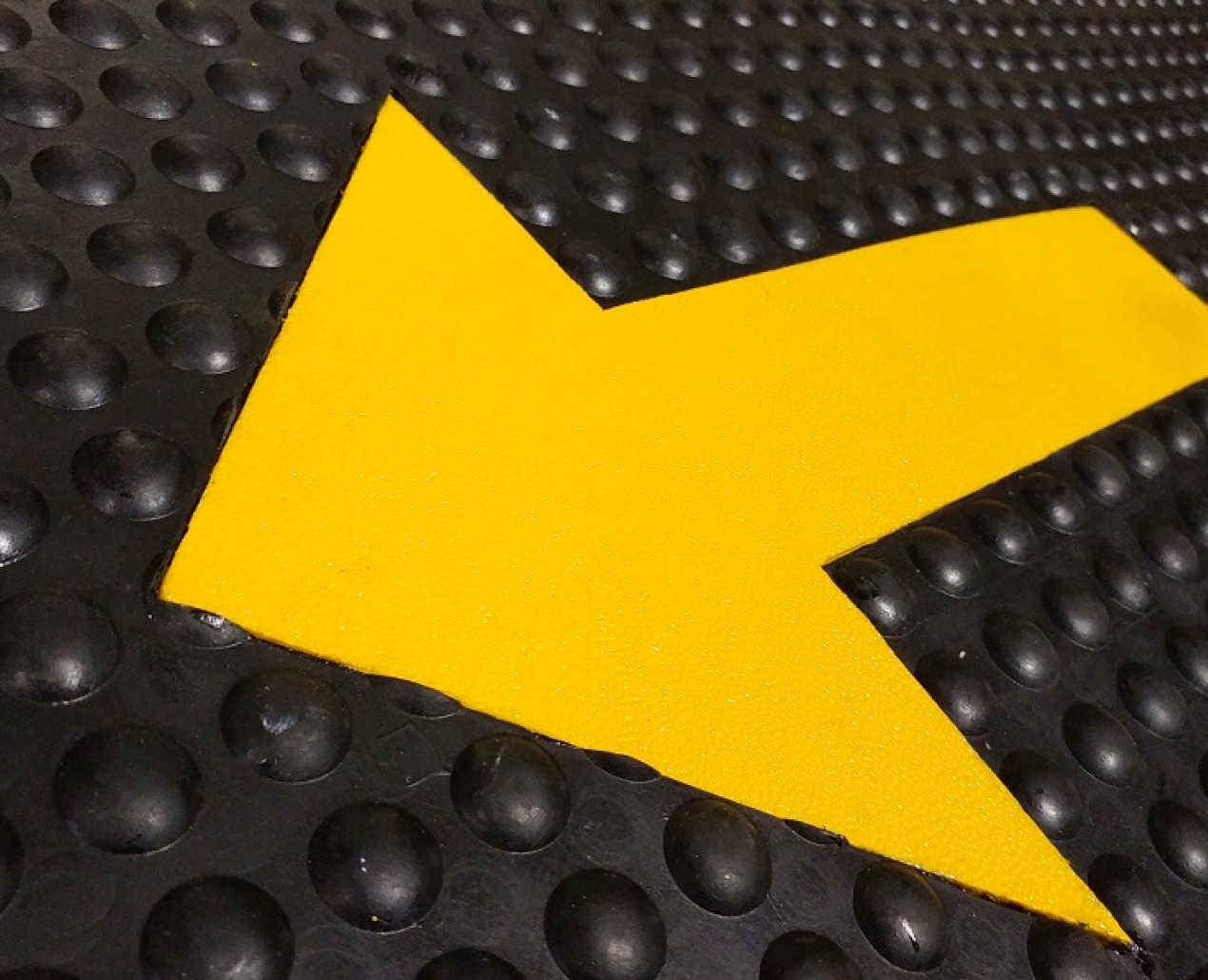
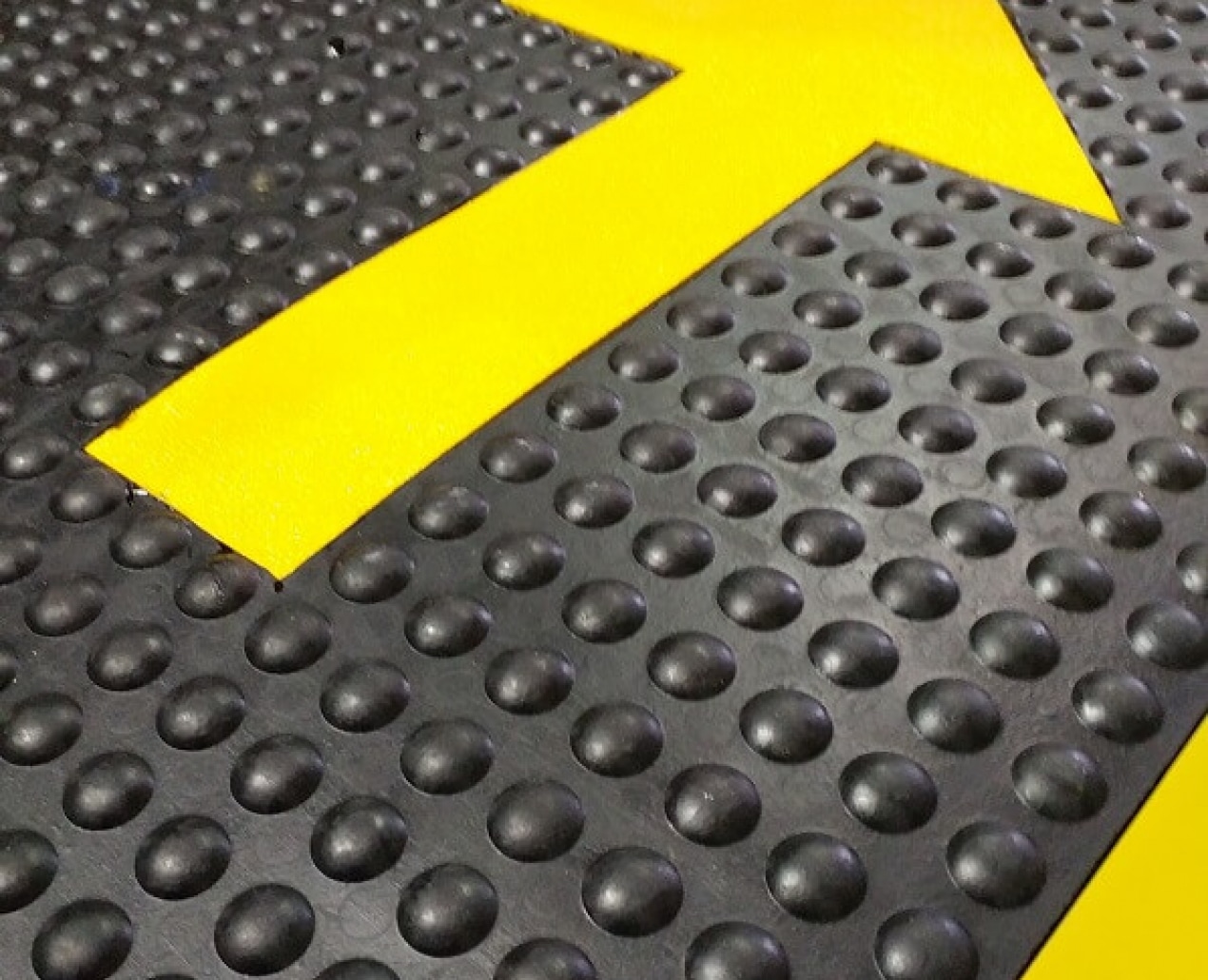
    • Improved safety – textured surfaces help prevent slips
    • Simple maintenance – individual tiles can be replaced if damaged

    Because of their modular design, interlocking anti fatigue mats are ideal for areas where workers move between stations or where machinery layouts may change over time.

    Why Anti-Fatigue Matting Matters

    Standing on hard concrete floors for extended periods places stress on the feet, legs, and lower back. Ergonomically designed anti-fatigue mats help reduce this strain by encouraging subtle muscle movement and improving circulation.

    The benefits include:

    • Reduced physical fatigue
    • Improved comfort for employees
    • Increased productivity
    • Lower risk of long-term workplace injuries

    For industrial workplaces, this can make a measurable difference in both worker wellbeing and operational efficiency.

    Strata’s Range of Anti‑Fatigue Mats

    Strata offers a comprehensive range of industrial matting solutions designed for durability, safety, and comfort. Below are some of the most popular anti‑fatigue mats available.

    Interlocking Anti‑Fatigue Solutions

    To cover large work areas with ergonomic comfort and safety, Strata now highlights the following modular workplace flooring options:

    • Dura-Link

      In industrial, manufacturing, and commercial environments, workers often spend long hours standing on hard surfaces.…

    • Endura® Flex

      In industrial, manufacturing, and commercial environments, workers often spend long hours standing on hard surfaces.…

    • Work-Deck Standard

      In industrial, manufacturing, and commercial environments, workers often spend long hours standing on hard surfaces.…

    • Work Deck Static Dissipative

      In industrial, manufacturing, and commercial environments, workers often spend long hours standing on hard surfaces.…

    Choosing the Right Interlocking Anti Fatigue Mats

    When selecting anti-fatigue matting for your workplace, it’s important to consider:

    Environment

    Workspaces with oil, grease, or welding sparks require specialised materials.

    Coverage area

    Large areas often benefit from interlocking anti fatigue mats, while individual workstations may only require a single mat.

    Durability requirements

    Industrial environments demand matting that can withstand heavy foot traffic, equipment movement, and exposure to chemicals.

    Ergonomic performance

    High-quality mats provide cushioning and support without becoming unstable or overly soft.

    Improve Workplace Comfort with Strata Anti-Fatigue Mats

    Investing in high-quality anti-fatigue matting is one of the simplest ways to improve worker comfort, reduce fatigue, and enhance productivity. With durable materials, modular interlocking options, and specialised solutions for demanding environments, Strata’s range of anti-fatigue mats provides reliable performance across multiple industries.

    Whether you need interlocking anti fatigue mats for large production areas or ergonomic floor mats for individual workstations, Strata offers solutions designed to keep your team comfortable and safe.
  • 7 Hidden Reasons Your Industrial Mats Should Be Replaced Sooner Than You Think

    7 Hidden Reasons Your Industrial Mats Should Be Replaced Sooner Than You Think

    Industrial mats do more than just protect floors — they protect employees, reduce fatigue, and even improve workflow efficiency. But when’s the right time to replace them? Many companies wait too long before considering industrial mat replacement. Here are 7 often-overlooked reasons you might need new matting sooner than you think.

    1. New Machinery Changes Traffic Patterns

    Every new machine shifts how people move and stand in your facility. Old mats may no longer cover high‑traffic areas, increasing slip, trip, and fatigue risks.

    Tip: 

    Walk your floor after new equipment is installed and note where employees actually stand. These zones may need new matting.

    2. Expanding Operations Accelerate Wear

    Adding lines, employees, or new areas increases mat traffic. Even high-quality mats wear faster under heavier use.

    Tip: 

    Schedule a quarterly inspection to check edges, surface compression, and overall wear.

    3. Workflow or Process Changes Introduce New Hazards

    Switching tasks — like moving from assembly to machining — can expose mats to oil, heavier loads, or different movement patterns.

    Tip: 

    Ensure your mats are rated for the specific type of work and conditions in each area.

    4. Increased Employee Count Increases Fatigue

    More workers mean more standing, more steps, and faster mat degradation. Old mats lose anti-fatigue properties more quickly under higher usage.

    Tip: 

    Replace worn anti-fatigue mats to keep staff comfortable and productive.

    5. Layout Changes Reduce Mat Coverage

    Even without new equipment, rearranging the workspace can leave mats in the wrong places, creating uncovered standing areas and tripping hazards.

    Tip: 

    Reassess mat placement whenever you reconfigure a floor plan.

    6. Industrial Mat Replacement: Mats Age Out Over Time

    Mats naturally degrade — edges curl, surfaces crack, cushioning compresses, and grip reduces.

    Tip: 

    Look for signs of wear and replace mats proactively to avoid accidents.

    7. High-Footfall Areas Like Airport Security Show the Difference

    Airports are a high-traffic example where mat replacement pays off. Staff standing in security lines benefit from better fatigue reduction and safer footing.

    Tip: 

    Use this as a benchmark: if mats improve conditions in intense environments, similar gains are possible in your facility.

    Schedule a matting evaluation with us
    to identify areas that need upgrading.

    Even if everything seems fine, these “hidden” triggers show that mats often need replacing sooner than we realise. Regular assessment ensures safety, comfort, and productivity for your workforce.

  • Does Anti-Fatigue Floor Matting Really Work?

    Does Anti-Fatigue Floor Matting Really Work?

    It’s a common question:
    does anti-fatigue matting actually reduce fatigue, or is it just marketing?

    The short answer is — yes, it works, when specified correctly.

    The Science Behind It

    When standing on a hard surface like concrete, muscles remain static. This restricts blood flow and increases pressure on joints.

    Anti-fatigue mats work by:

    • Encouraging micro-movements in the calf muscles without you even realising it.
    • Improving circulation
    • Reducing pressure on the lower back, knees, and feet

    These small movements help prevent stiffness and muscular strain.

    Measurable Benefits

    Businesses that install quality anti-fatigue matting often report:

    • Reduced complaints of leg and back pain
    • Improved productivity
    • Fewer sick days related to musculoskeletal issues
    • Increased employee morale

    In environments where employees stand for 4+ hours per shift, the impact can be significant. If you are unsure, we are happy to provide a trial mat so you can be sure of your return on investment.

    When It Doesn’t Work

    Anti-fatigue matting may fail if:

    • The mat is too thin or too soft
    • It’s used in the wrong environment
    • It becomes compressed over time
    • It creates instability around machinery

    Specification matters.

    A Cost vs Risk Perspective

    Compared to the cost of absenteeism or workplace injury claims, anti-fatigue matting is a relatively small investment with potentially substantial returns.

    When used correctly, it’s not just comfort — it’s preventative health and safety.

    Speak to UK Industrial Safety Specialists

    If you need Industrial Anti-Fatigue Mats for Factories in the UK or a full Industrial Safety Solutions for Manufacturing Facilities package, Strata Sales provides compliant, heavy-duty floor safety systems trusted across UK manufacturing and warehouse environments.

  • Justification for Anti-Fatigue Floor Matting in Manufacturing Facilities

    Justification for Anti-Fatigue Floor Matting in Manufacturing Facilities

    According to an ergonomic consultant, a good rule of thumb is that one minute of time per day in the workplace is worth roughly £60 per year.

    So, five minutes of lost time per day due to fatigue is worth £300 per year. When multiplied across the workforce of an organisation, it doesn’t take a calculator to see the ergonomic justification that supports an investment in industrial anti-fatigue mats for factories UK and other workplace comfort solutions.

    Anti-fatigue matting works by making the body naturally and imperceptibly sway, which encourages subtle movement by calf and leg muscles throughout the working day. This stimulates energy levels, helps oxygen reach the heart and promotes blood flow which keeps the blood from stagnating in the veins and blood pooling in the legs — one of the key reasons many organisations adopt industrial safety solutions for manufacturing facilities UK.

    Studies carried out at a leading university specialising in ergonomics have observed the difference between standing on hard floors versus standing on cushioned surfaces. Both studies conclude that mats significantly affect fatigue and comfort in different body regions. This is why many facilities combine anti-fatigue matting with wider industrial ergonomics assessment services UK and assembly line & production cell safety solutions UK to improve workplace wellbeing.

    Standing on cold, hard surfaces for long periods can lead to several problems. Standing causes muscles to constrict, which reduces blood flow. This makes muscles and joints hurt and can cause blood to stagnate. Long-term standing also causes pronation, or excessive flattening of the foot. While this may begin as mild discomfort, it can lead to plantar fasciitis and other serious foot conditions. Lower back pain is also common among workers who stand for four hours or more each day.

    Creating Safer
    Manufacturing Environments

    Workplace Safety Systems

    Anti-fatigue matting works alongside wider warehouse anti-slip floor safety solutions UK and industrial slip prevention systems UK to help reduce workplace accidents. Many facilities also incorporate factory & warehouse floor marking contractors UK and warehouse impact protection barriers UK to clearly define safe zones and protect both staff and equipment in busy operational areas.

    Worker Comfort & Productivity

    Reducing fatigue helps improve concentration, comfort and productivity across the workforce. Anti-fatigue flooring contributes to HSE-compliant factory & warehouse safety solutions UK by reducing strain on workers who stand for long periods. This can help lower injury rates, reduce medical claims and minimise the average 25 days lost per incident caused by lower limb disorders.

    Facility Safety Improvements

    In larger manufacturing environments, anti-fatigue matting is often integrated with broader improvements such as industrial entrance matting & moisture control solutions UK, pick-face & order fulfilment area safety systems UK, and full manufacturing facility refurbishment & safety upgrades UK delivered by experienced industrial facility fit-out contractors UK.

    Such conditions can begin unseen and may go unnoticed, but they can escalate into major issues for both the worker and the organisation. Ill health caused by workplace neglect is not only physically painful for employees, but it can also lead to disputes between employee and employer, potentially resulting in costly legal action.

    Investing in safe and comfortable working environments — from ergonomic flooring to industrial safety barriers, bollards & impact protection UK, and responsible industrial waste management solutions for manufacturing UK including factory waste segregation & industrial recycling systems UK — demonstrates a commitment to both productivity and worker wellbeing.

    It is clear the long-term benefits outweigh the short-term costs.

    Remember – the best workers are happy workers.

  • What Type of Anti-Fatigue Matting Do I Need?

    What Type of Anti-Fatigue Matting Do I Need?

    The right Industrial Anti-Fatigue Mats for Factories UK depend on your environment, traffic levels and compliance requirements.

    As part of your wider Floor Safety Products UK strategy, anti-fatigue matting improves ergonomics, reduces fatigue and supports HSE-Compliant Factory & Warehouse Safety Solutions UK.

    1. Manufacturing & Production Areas

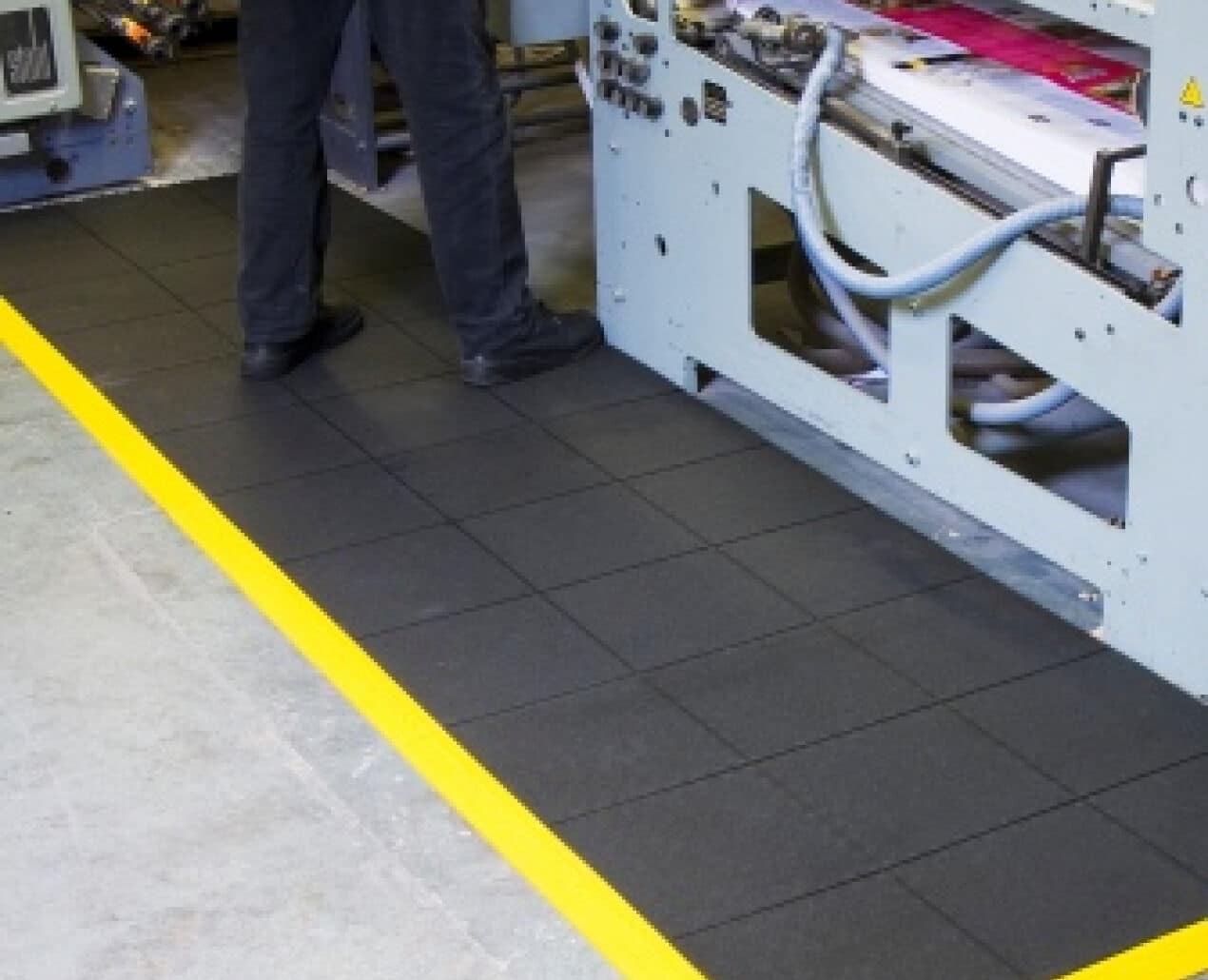
    For assembly lines and operator stations, heavy-duty rubber anti-fatigue mats are recommended. These form part of our Industrial Safety Solutions for Manufacturing Facilities UK and Assembly Line & Production Cell Safety Solutions UK, improving worker comfort without compromising durability.

    Our Industrial Ergonomics Assessment Services UK help specify the correct thickness and layout.

    Bespoke Manufacturing & Production Areas

    2. Warehouse & Distribution Environments

    In high-traffic warehouses, matting must support slip prevention and forklift activity. Our Warehouse Anti-Slip Floor Safety Solutions UK integrate with wider Industrial Slip Prevention Systems UK to reduce risk in:

    • Pick-face zones
    • Order fulfilment areas
    • Packing stations

    This aligns with our Pick-Face & Order Fulfilment Area Safety Systems UK.

    3. Integrated Industrial Safety Systems

    Anti-fatigue matting should work alongside:

    • Factory & Warehouse Floor Marking Contractors UK services
    • Industrial Safety Barriers, Bollards & Impact Protection UK
    • Warehouse Impact Protection Barriers UK
    • Industrial Entrance Matting & Moisture Control Solutions UK

    As experienced Industrial Facility Fit-Out Contractors UK, we deliver complete Manufacturing Facility Refurbishment & Safety Upgrades UK, including Industrial Waste Management Solutions for Manufacturing UK where required.

    Speak to UK Industrial Safety Specialists

    If you need Industrial Anti-Fatigue Mats for Factories in the UK or a full Industrial Safety Solutions for Manufacturing Facilities package, Strata Sales provides compliant, heavy-duty floor safety systems trusted across UK manufacturing and warehouse environments.

  • Dura-Link and Dura-Link Multi Installation Instructions

    Dura-Link and Dura-Link Multi Installation Instructions
    1. Clear the area, where the matting is to be fitted – Sweep up any dirt or dust and move any large portable items out of the way – e.g. portable heaters, bins, etc…
    2. Lay down the first Dura-Link or Dura-Link Multi tile where you are wanting the matting to start.
    3. Clip together the matting sections, using a rubber mallet to connect the interlocking edge together.
    4. With some configurations, the matting connectors may need to be trimmed slightly with a sharp knife.
    5. Start enjoying your new Dura-Link or Dura-Link Multi today!

  • Bubble Mat Installation Instructions

    Bubble Mat Installation Instructions
    1. Clear the area, where the matting is to be fitted – Sweep up any dirt or dust and move any large portable items out of the way – e.g. portable heaters, bins, etc…
    2. Lay down each Bubble mat in the workplace position.
    3. If the Bubble mat is a large Bubble mat Bespoke, lay the matting out carefully into position. If the matting position does need changing, position one corner / side, and then flatten out the remainder of the matting until it is in its final position.
    4. If there is an item in the way, e.g. a table leg, carefully cut the matting with a sharp knife.
    5. Start enjoying your new Bubble matting today!
  • Work Deck Installation Instructions

    Work Deck Installation Instructions
    1. Clear the area where the matting is to be installed – Sweep up any dirt or dust and move any large portable items out of the way – e.g. portable heaters, bins, etc…
    2. Starting at where you are wanting the matting to end, lay down one Work Deck tile down, with the connecting edge (one with the “Teeth” visible) facing the direction that the rest of the matting is to be fitted.
    3. If there is to be a bevel edge along the edge where you have placed your first tile, move the tile in the width of the bevel edge, allowing space for this to be added afterwards.
    4. Lay the Work Deck mats into position, first laying one mat width along the length of the area.
    5. If the mat width is more than one tile wide, connectors will need to be used to connect a width of Work Deck to clip into the side of the first length.
    6. If the matting needs to be cut down, use a metal straight edge and safety knife and carefully cut down to size, once careful measurements have been taken.
    7. We strongly advise that Ethyl Cyanoacrylate adhesive is used to permanently join all sections of Work Deck matting, and edgings together. Although you don`t need to do this, if the matting is to be moved around regularly.
    8. Once all the matting has been installed, with connectors to all internal mat edges, lay down a strip of double sided tape on the floor surface around the matting area, where the bevel edges are to be. This prevents the matting from moving on the floor, but is not necessary if the matting is not to be kept in one place permanently.
    9. Double sided tape and Ethyl Cyanoacrylate adhesive are both available from Strata.
    10. Peel back the liner on the double sided tape.
    11. Clip the bevel edges into the matting tiles and place the bottom of the bevel edge onto the double sided tape. As above, we do recommend Ethyl Cyanoacrylate is used to attach the bevel edge to the mat, to join the sections permanently.
    12. Carry out the above stage for all edges, apart from at the corners. On each external corner, the bevel edges will need to be cut down slightly in length to make the Work Deck corners fit in. Once the bevel edges have been cut down to size, these can be clipped into the Work Deck matting and placed onto the double sided tape.
    13. Start enjoying your new Work Deck!
  • How Can I Keep Workers Warm on a Cold Floor?

    How Can I Keep Workers Warm on a Cold Floor?

    Cold floors in industrial workplaces can lead to discomfort, reduced circulation, fatigue, and even long-term health issues. Using the right flooring solutions can keep employees warm, safe, and productive.

    Workers standing for long periods on concrete or metal floors in warehouses, factories, and workshops often lose heat quickly through their feet, making them less comfortable and less efficient. Fortunately, there are practical ways to address this challenge, ranging from simple measures like socks to purpose-built flooring solutions.

    1. Wear Thick, Insulating Socks

    One of the simplest ways to reduce heat loss is protecting the extremities, since feet are a major source of heat loss.

    • Thick, insulated socks help trap warmth and maintain circulation
    • Recommended for employees working long shifts on cold surfaces
    • Works best when combined with insulated flooring to maximise comfort

    While this is low-cost and immediate, it works best in combination with other solutions, particularly when cold floors are widespread or workers stand for hours.

    2. Infrared Heaters

    Infrared heaters provide targeted warmth directly to people and objects, rather than heating the entire air in large industrial spaces.

    • Cost-effective for spot heating areas where employees stand
    • Reduces energy consumption compared to heating an entire warehouse
    • Can be positioned above workstations, packing lines, or cold platforms

    This solution is especially useful in areas where installing heated floors isn’t practical or cost-efficient, but it doesn’t replace the need for insulated or anti-fatigue matting where workers are standing directly on cold surfaces.

    3. Anti-Fatigue Floor Matting as Insulation

    Strata’s anti-fatigue mats do more than reduce fatigue — they act as a thermal barrier, insulating workers from cold floors.

    • Thick rubber or modular mats trap heat and reduce the conduction of cold from the floor
    • Maintain comfort in even the coldest months
    • Can be combined with anti-slip surfaces for safety in wet or drafty areas

    Product examples from Strata:

    By placing mats strategically where workers stand most, businesses maximise comfort and productivity while keeping costs reasonable.

    Bonus Tips for Warm Workstations

    • Combine strategies: Socks + anti-fatigue mats + infrared heaters create a layered approach to worker comfort.
    • Check placement: Focus on high-use standing zones like packing tables, assembly lines, and inspection areas.
    • Maintain mats: Clean and dry mats regularly to ensure thermal performance and longevity.
    • Benefits of Keeping Workers Warm on Cold Floors
    • Investing in insulated and anti-fatigue flooring solutions provides multiple benefits:
    • Reduces discomfort, cold-related complaints, and fatigue
    • Improves circulation and focus
    • Enhances productivity and morale
    • Supports health and safety compliance in cold environments
    • Cold floors shouldn’t slow down your operations. By combining simple measures and purpose-built flooring solutions, you can maintain comfort, safety, and efficiency even in winter months.

    Final Thoughts

    Keeping workers warm on cold floors isn’t just about comfort — it’s about health, productivity, and operational efficiency. Strata’s anti-fatigue matting and modular solutions provide effective insulation from cold floors while improving safety and ergonomics.

    Explore Strata’s anti-fatigue matting solutions to create a warmer, safer, and more productive workplace today.

  • How Do You Choose the Right Anti-Slip Flooring for Industrial Environments?

    How Do You Choose the Right Anti-Slip Flooring for Industrial Environments?

    Choosing the right anti-slip flooring means matching your specific workplace hazards — whether water, oil, grease, stairs, platforms or outdoor risk areas — to the right type of safety solution from Strata’s anti-slip range.

    Industrial environments vary widely, and a one-size-fits-all approach rarely delivers the safety, compliance, or performance companies need.

    This guide explains how anti-slip flooring works, what product types to consider from Strata, and how to make the best choice for your industrial space.

    What Is Anti-Slip Flooring?

    Anti-slip flooring refers to solutions that increase traction and reduce slip risk on floors where standard surfaces become hazardous — especially in wet, oily, or high-traffic areas. These solutions help improve safety and productivity by preventing slips, trips, and falls in workplaces such as factories, warehouses, workshops, kitchens, and loading zones.

    Strata’s range of anti-slip products includes specialised mats, gratings, deck covers and grip solutions tailored to different hazards and environments.

    Key Types of Anti-Slip Solutions from Strata

    Strata’s anti-slip range offers a variety of products designed for specific applications and surface conditions:

    1. Anti-Slip Grip Deck Landing Covers

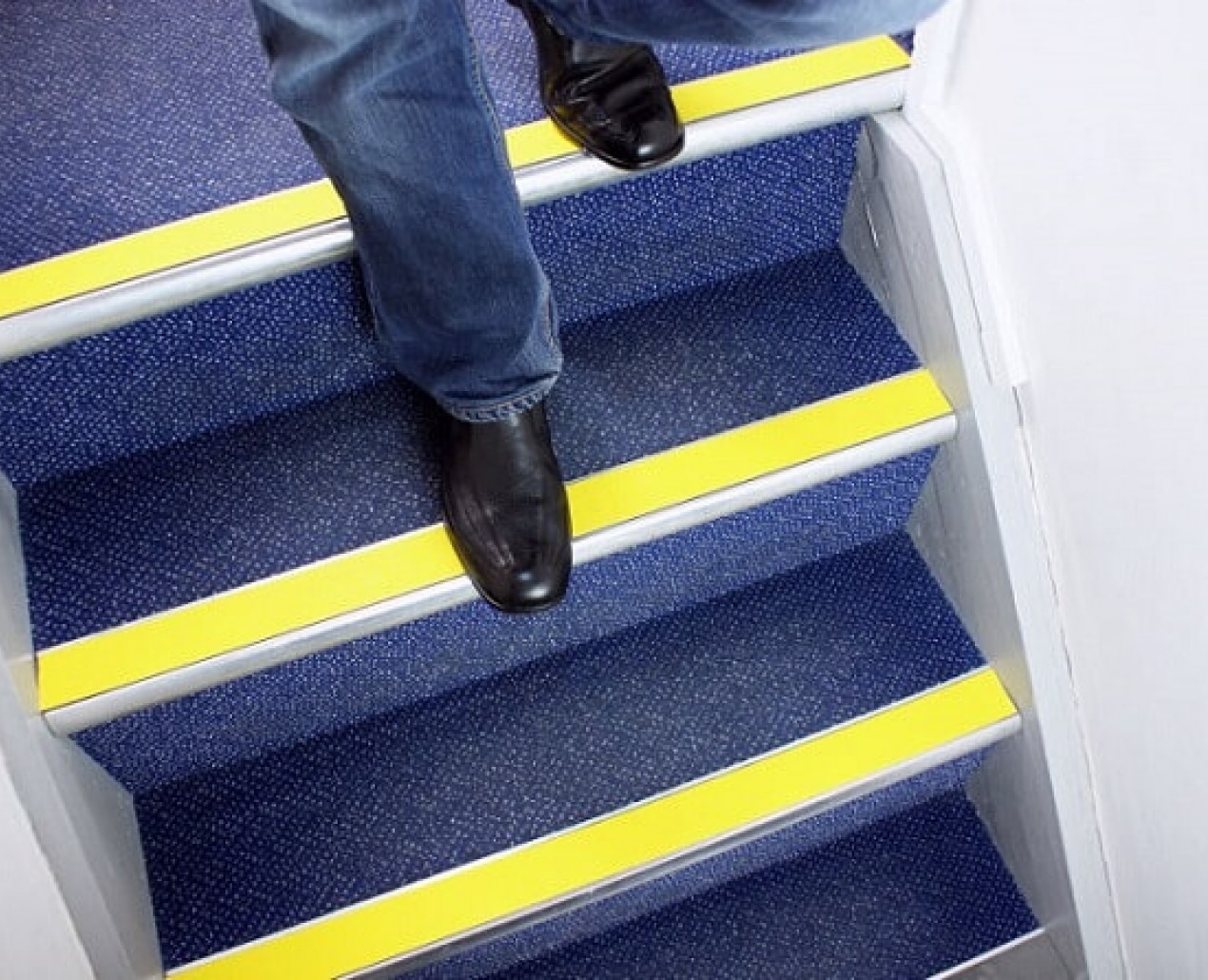
    Perfect for stairs, landings and raised platforms, these covers are impregnated with anti-slip granules and engineered to remain effective even under heavy use. They help prevent slips on steps and transition areas where footing changes. 

    2. Anti-Slip GRP Gratings

    Glass-reinforced plastic (GRP) gratings provide excellent slip resistance in wet or greasy conditions. They are lightweight, corrosion resistant, and ideal for areas around machinery, platforms, walkways and outdoor zones. 

    3. Roofway Anti-Slip Matting

    Designed for rooftops and rooftop access areas, this matting delivers traction where surfaces can become slippery from rain or dew — especially on metal or composite roofing. 

    4. Tough Route – Grip Solutions

    This category includes heavy-duty anti-slip products such as grit-enhanced matting and safety flooring targeted at zones with frequent foot traffic, transitions, and loading areas.

    5. Other Mat and Matting Options

    Strata also offers rubber mat rolls, scraper matting and grip-type PVC options that can be adapted to multiple industrial areas — from workshop floors to entrances and walkways.

    What Matters Most When Choosing Anti-Slip Flooring

    To find the right solution, ask these key questions:

    What hazard is present?

    • Wet conditions? Consider mats or GRP products designed for moisture-prone areas.
    • Oily or greasy floors? Look for high-traction surfaces and grit-enhanced materials.
    • Stairs or raised platforms? Deck covers with anti-slip granules are ideal.
    • Outdoor exposure? Weather-resistant GRP and outdoor matting deliver reliable grip.

    Each solution targets specific slip risks, so knowing the conditions your workers face is essential before choosing.

    How intense is foot or equipment traffic?

    Heavy foot traffic and forklift or pallet truck zones need tougher, durable solutions that won’t degrade quickly. Strata’s GRP gratings and heavy-duty grip matting are engineered for these environments.

    Is the area subject to contaminants?

    Areas with water, oil, chemicals or debris require surfaces that maintain traction even when slippery. Certain anti-slip mats and GRP products are specially designed for such conditions. 

    How important is ease of maintenance?

    Floors that are easy to clean and maintain help preserve slip resistance over time — especially where regular washing is needed. Textured flooring systems that resist wear and dirt build-up provide longer-lasting safety benefits. 

    Anti-Slip Flooring vs Standard Flooring

    Standard Floor SurfaceAnti-Slip Flooring
    Smooth, low tractionDesigned for high traction and slip risk reduction
    Limited grip when wetMaintains grip in wet/oily conditions
    Reactive hazard controlPreventative safety solution
    May require frequent replacementDurable and purpose-built for safety

    Anti-slip flooring systems are more than mats — they’re engineered solutions that actively reduce workplace risk and support compliance and productivity.

    Common Mistakes When Selecting Anti-Slip Flooring

    Avoid these pitfalls:

    • Choosing based on price alone rather than performance in specific conditions
    • Installing one product everywhere instead of tailoring by zone
    • Not assessing contaminants (e.g. water vs oil vs dust)
    • Neglecting ease of cleaning and durability — which affects long-term traction

    A thoughtful, condition-based approach leads to lasting safety and better ROI. 

    How Anti-Slip Flooring Improves Safety and Productivity

    The right anti-slip flooring:

    • Reduces slip-related injuries
    • Enhances worker confidence and mobility
    • Improves compliance with workplace safety standards
    • Reduces downtime and risk of costly incidents

    In risky areas, improving traction isn’t just about compliance — it’s a productivity driver that helps operations run smoothly and safely. 

    Choosing the Right Anti-Slip Solution from Strata

    Strata’s anti-slip range is designed for industrial and commercial environments, offering a mix of mats, gratings, and textured coverings to suit specific needs across:

    • Warehouses
    • Loading areas and platforms
    • Workshops
    • Outdoor walkways
    • Stairs and transitions

    Each product category addresses different slip hazards, helping you create a safer and more efficient workspace. 

    Final Thoughts: Make Your Floors Safer and Your Business More Efficient

    Anti-slip flooring isn’t just an accessory — it’s a critical safety investment that protects people and improves operations. Choosing the right solution based on conditions, traffic, and contaminants ensures your space stays compliant, productive and safe.

     Explore Strata’s anti-slip product range to find the right solution or request a free site audit to get tailored recommendations.