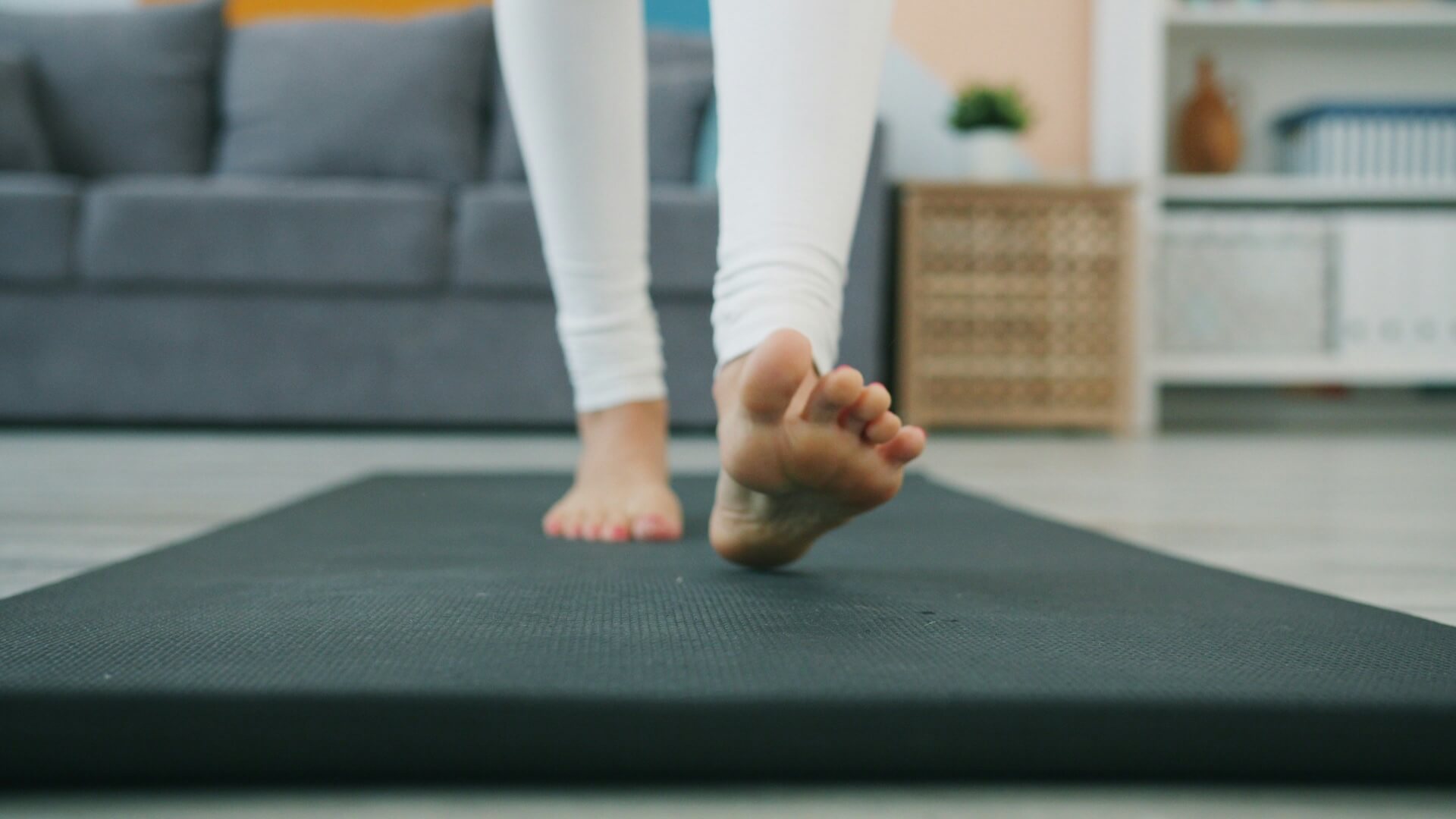
What Is Plantar Fasciitis?
Plantar fasciitis is a common condition that causes heel pain and discomfort along the bottom of the foot. It occurs when the thick band of tissue connecting your heel to your toes — the plantar fascia — becomes inflamed or irritated.
Symptoms often include:
- Sharp pain in the heel, especially in the morning
- Pain that worsens after standing or walking for long periods
- Tenderness along the arch of the foot
Risk factors include prolonged standing on hard surfaces, unsupportive footwear, tight calf muscles, and being overweight.
Common Ways to Relieve Plantar Fasciitis
Most cases respond well to conservative, at-home measures:
Rest and Activity Modification
Reduce high-impact activities like running or prolonged standing to give your feet a break.
Stretching Exercises
Regularly stretch your calves, Achilles tendon, and plantar fascia. Simple stretches can significantly reduce morning pain.
Ice Therapy
Apply an ice pack or roll a frozen water bottle under your foot for 10–15 minutes to reduce inflammation.
Supportive Footwear and Orthotics
Shoes with good arch support and cushioned soles help reduce strain on the plantar fascia.
Over-the-Counter Pain Relief
Nonsteroidal anti-inflammatory drugs (NSAIDs) can help manage pain and inflammation when needed.
Physical Therapy or Night Splints
For persistent pain, targeted exercises or night splints can help maintain foot alignment and promote healing.
How Anti-Fatigue Mats Can Help
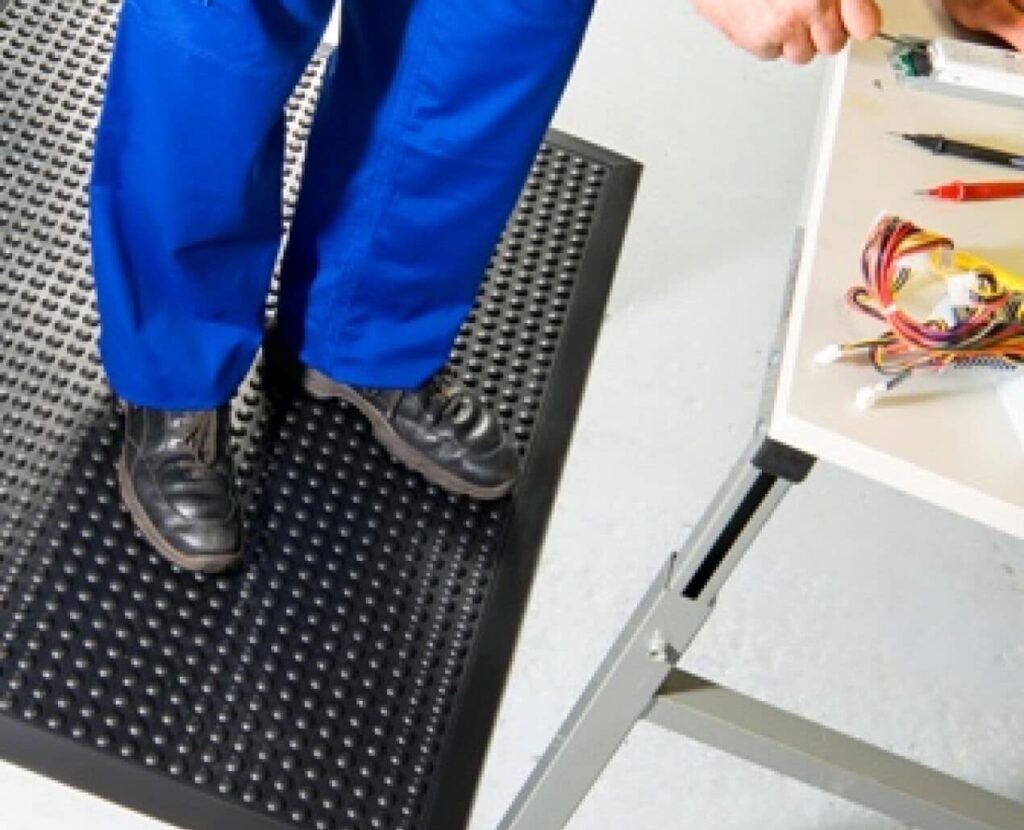
Standing on hard surfaces can aggravate plantar fasciitis. Anti-fatigue mats can reduce discomfort and help prevent flare-ups. Here’s how:
- Redistribute Weight and Reduce Stress
Mats help spread your body weight more evenly across the foot, reducing pressure on the heel and arch. - Encourage Subtle Movement
Standing on cushioned, slightly flexible surfaces promotes micro-movements that improve circulation and reduce muscle fatigue. - Use in Daily Life
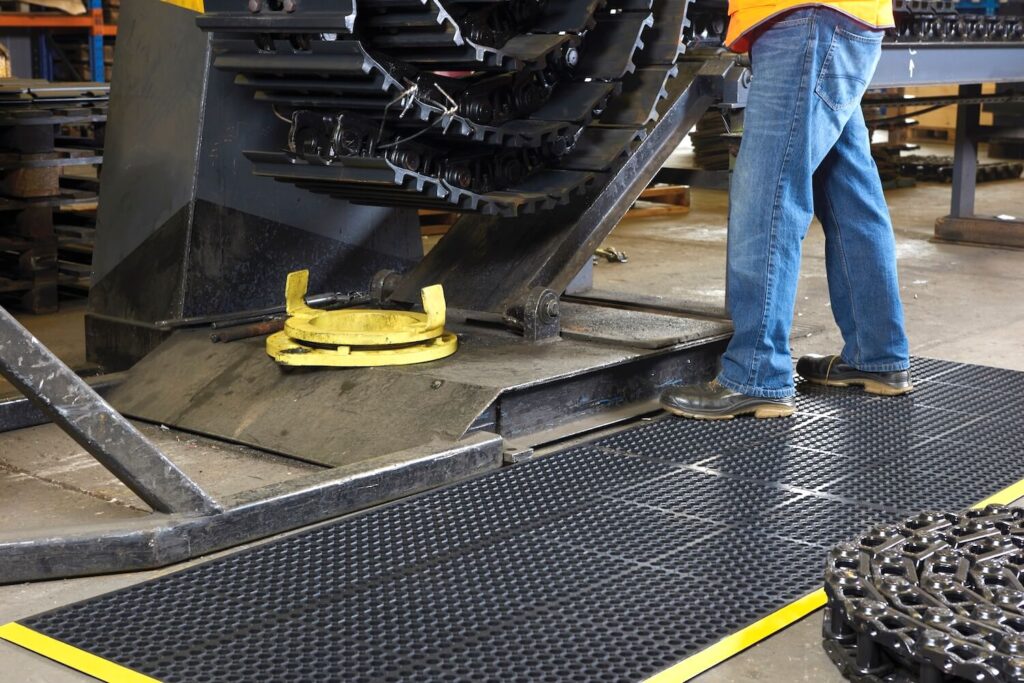
Mats are especially helpful in environments where long standing is unavoidable, such as kitchens, retail, industrial settings, or at standing desks. - Additional Benefits of a Quality Mat
A well-designed mat is durable, slip-resistant, and supportive, offering long-term comfort and minimising strain over hours of standing.
Tips for Using Anti-Fatigue Mats Effectively
- Place mats in areas where you stand the most, such as kitchens, workshops, or workstations.
- Pair mats with supportive shoes or insoles.
- Take regular short breaks to walk and stretch your feet.
- Avoid standing still for long periods — small movements reduce tension in the plantar fascia.
Key Takeaways
Plantar fasciitis is a manageable condition when approached with the right combination of strategies. Stretching and strengthening exercises for your feet and calves can relieve tension, while supportive footwear helps reduce strain on the plantar fascia. Modifying activities to avoid prolonged standing or high-impact movements, along with appropriate pain management, further aids recovery. Incorporating ergonomic solutions, such as anti-fatigue mats from Strata Sales, can make daily standing more comfortable and prevent flare-ups, helping you stay active without aggravating your condition.
Explore the range of anti-fatigue mats from Strata Sales to find a solution that suits your workspace and helps reduce foot strain.
-
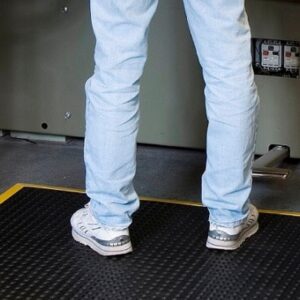
Bubble Mat Standard
The original cushioned floor mat with excellent anti‑fatigue properties and a…
View Product: Bubble Mat StandardFrom £55.00 -
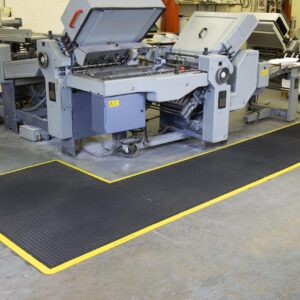
Bespoke Bubble Mat
Custom‑size industrial anti‑fatigue bubble mat with excellent comfort and safety benefits,…
View Product: Bespoke Bubble MatFrom £90.00 -
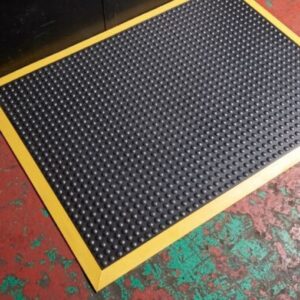
Bubble Mat Greaseproof
Ergonomic greaseproof bubble mat with anti-fatigue comfort and safety bevel edges,…
View Product: Bubble Mat Greaseproof£140.00 -
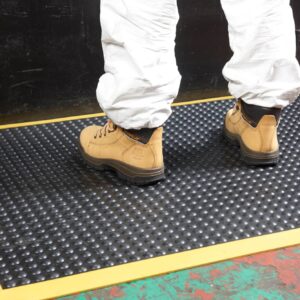
Bubble Mat Static Dissipative
Static dissipative anti‑fatigue bubble mat that helps reduce fatigue and dissipate…
View Product: Bubble Mat Static DissipativeFrom £115.00 -
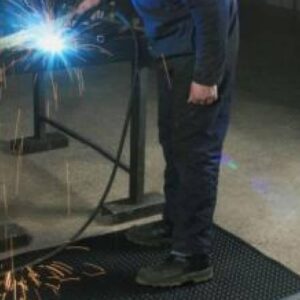
Bubble Mat Welding
Anti‑fatigue welding‑suitable bubble mat with heat and grease resistance, excellent comfort…
View Product: Bubble Mat Welding£140.00 -
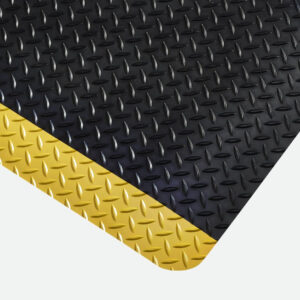
Diamond Top Mats
Premium anti‑fatigue diamond‑top mat with durable non‑slip vinyl surface bonded to…
View Product: Diamond Top MatsFrom £95.40 -
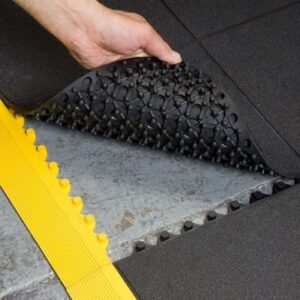
Work Deck Static Dissipative
Interlocking anti‑static matting tiles with excellent anti‑fatigue properties, hard‑wearing, recyclable and…
View Product: Work Deck Static DissipativeFrom £8.00 -
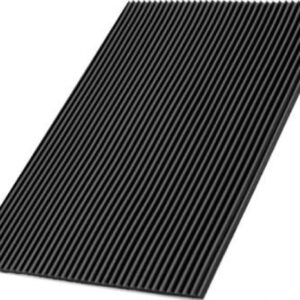
Fine Rib Mat Electrical
Non‑conductive fine‑rib electrical safety mat with slip resistance and tested high‑voltage…
View Product: Fine Rib Mat ElectricalFrom £370.00 -
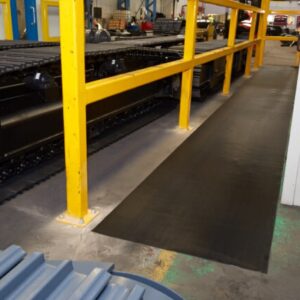
Fine Rib Mat
Durable fine‑ribbed rubber matting that enhances grip, traps debris and provides…
View Product: Fine Rib MatFrom £115.00 -
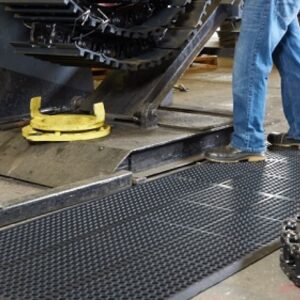
Dura-Link Single
Extra‑heavy‑duty modular rubber drain‑away mat with safety bevel edges, honeycomb anti‑slip…
View Product: Dura-Link Single£170.00 -
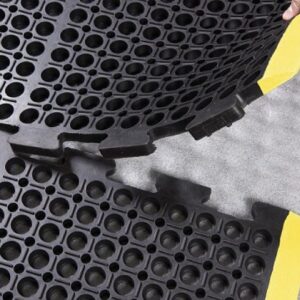
Dura-Link
Modular heavy‑duty drain‑away matting with honeycomb surface and yellow safety bevel…
View Product: Dura-LinkFrom £85.00 -
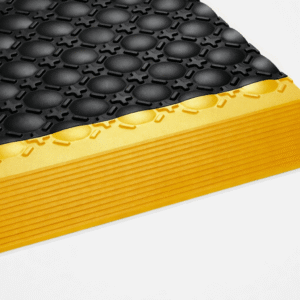
Endura® Flex
Interlocking anti‑fatigue floor tiles with yellow safety bevel edges for comfortable…
View Product: Endura® FlexFrom £9.00 -
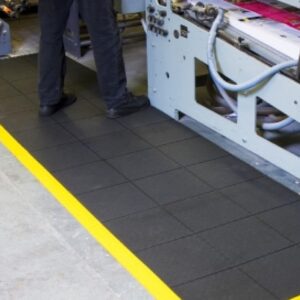
Work-Deck Standard
Interlocking anti‑fatigue tiles that form custom floor areas with excellent durability…
View Product: Work-Deck StandardFrom £7.50