Cold floors in industrial workplaces can lead to discomfort, reduced circulation, fatigue, and even long-term health issues. Using the right flooring solutions can keep employees warm, safe, and productive.
Workers standing for long periods on concrete or metal floors in warehouses, factories, and workshops often lose heat quickly through their feet, making them less comfortable and less efficient. Fortunately, there are practical ways to address this challenge, ranging from simple measures like socks to purpose-built flooring solutions.
1. Wear Thick, Insulating Socks
One of the simplest ways to reduce heat loss is protecting the extremities, since feet are a major source of heat loss.
- Thick, insulated socks help trap warmth and maintain circulation
- Recommended for employees working long shifts on cold surfaces
- Works best when combined with insulated flooring to maximise comfort
While this is low-cost and immediate, it works best in combination with other solutions, particularly when cold floors are widespread or workers stand for hours.
2. Infrared Heaters
Infrared heaters provide targeted warmth directly to people and objects, rather than heating the entire air in large industrial spaces.
- Cost-effective for spot heating areas where employees stand
- Reduces energy consumption compared to heating an entire warehouse
- Can be positioned above workstations, packing lines, or cold platforms
This solution is especially useful in areas where installing heated floors isn’t practical or cost-efficient, but it doesn’t replace the need for insulated or anti-fatigue matting where workers are standing directly on cold surfaces.
3. Anti-Fatigue Floor Matting as Insulation
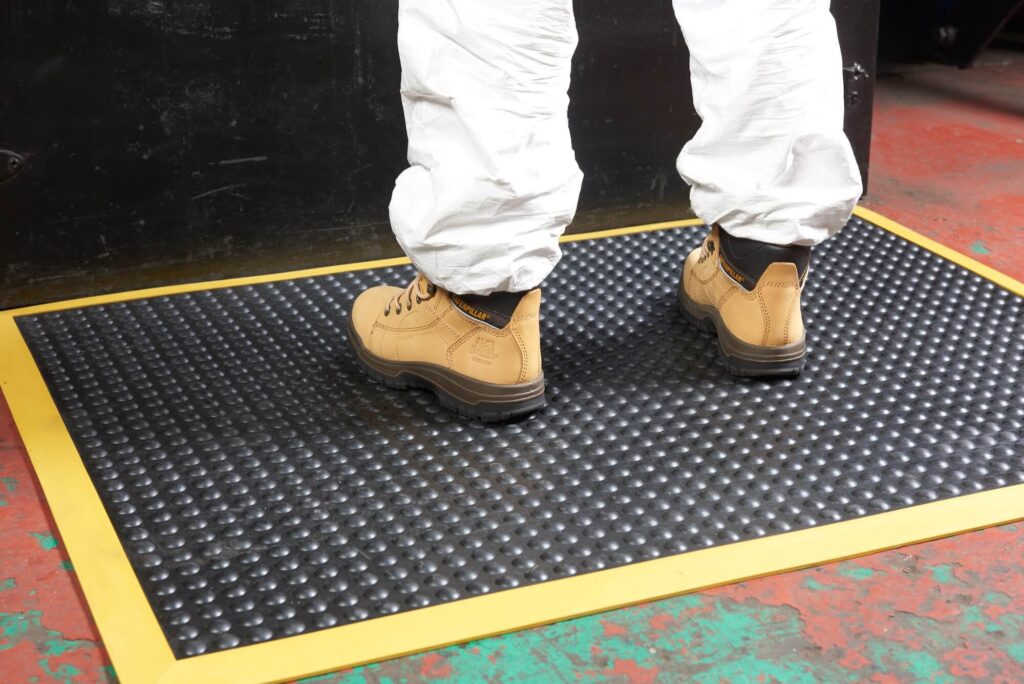
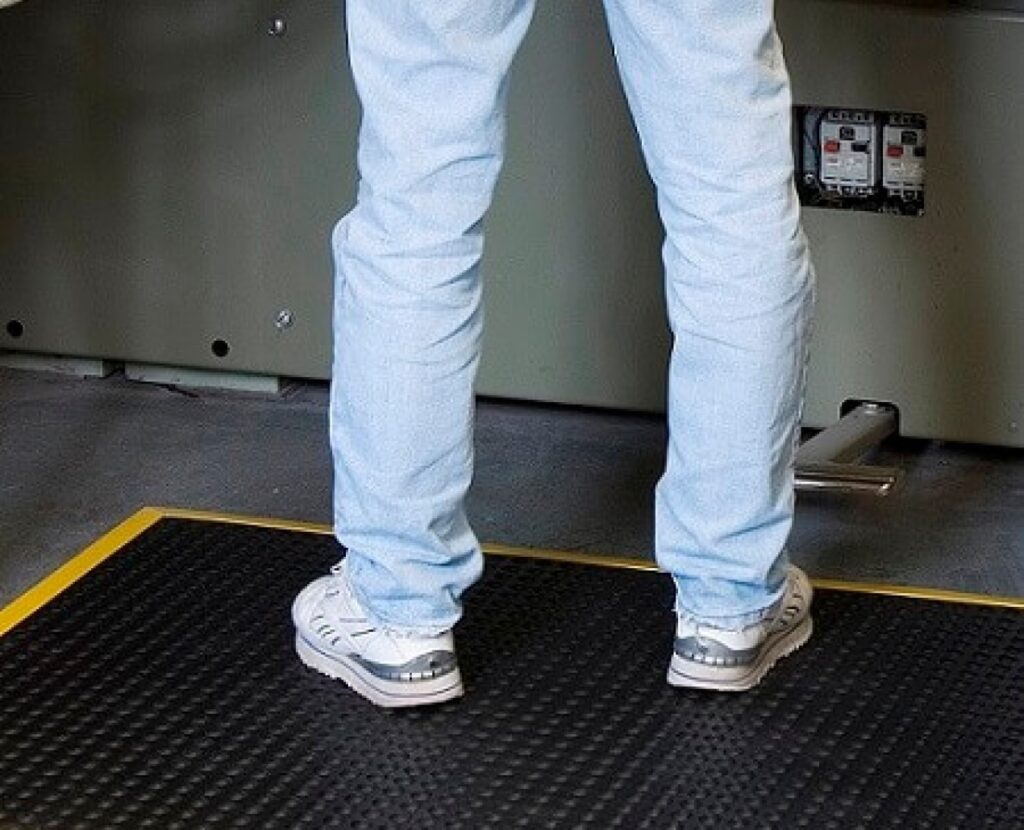
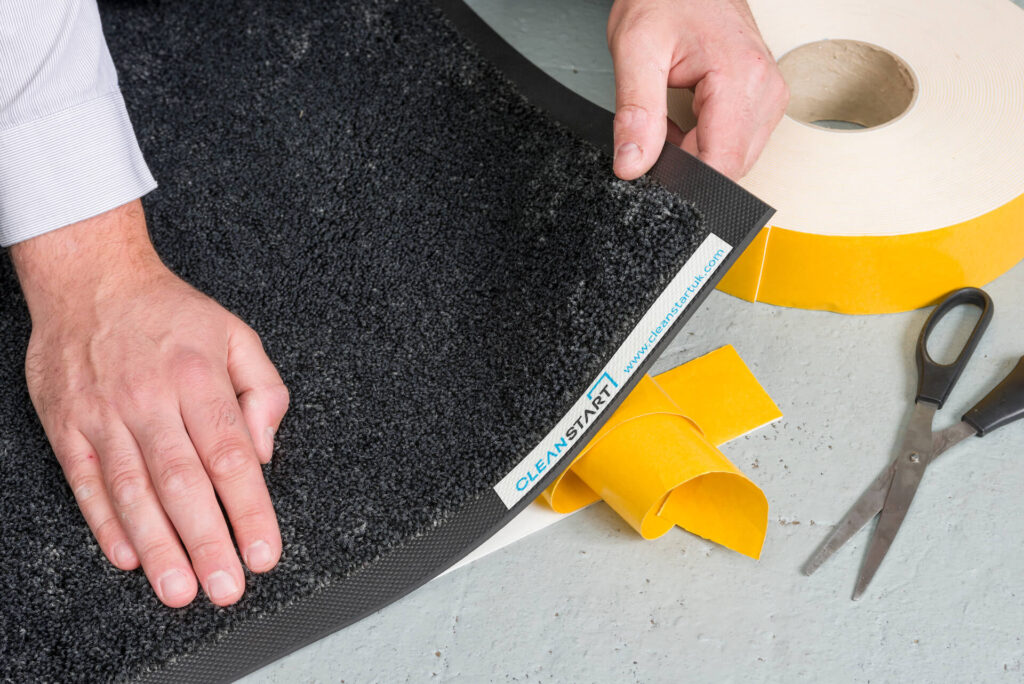
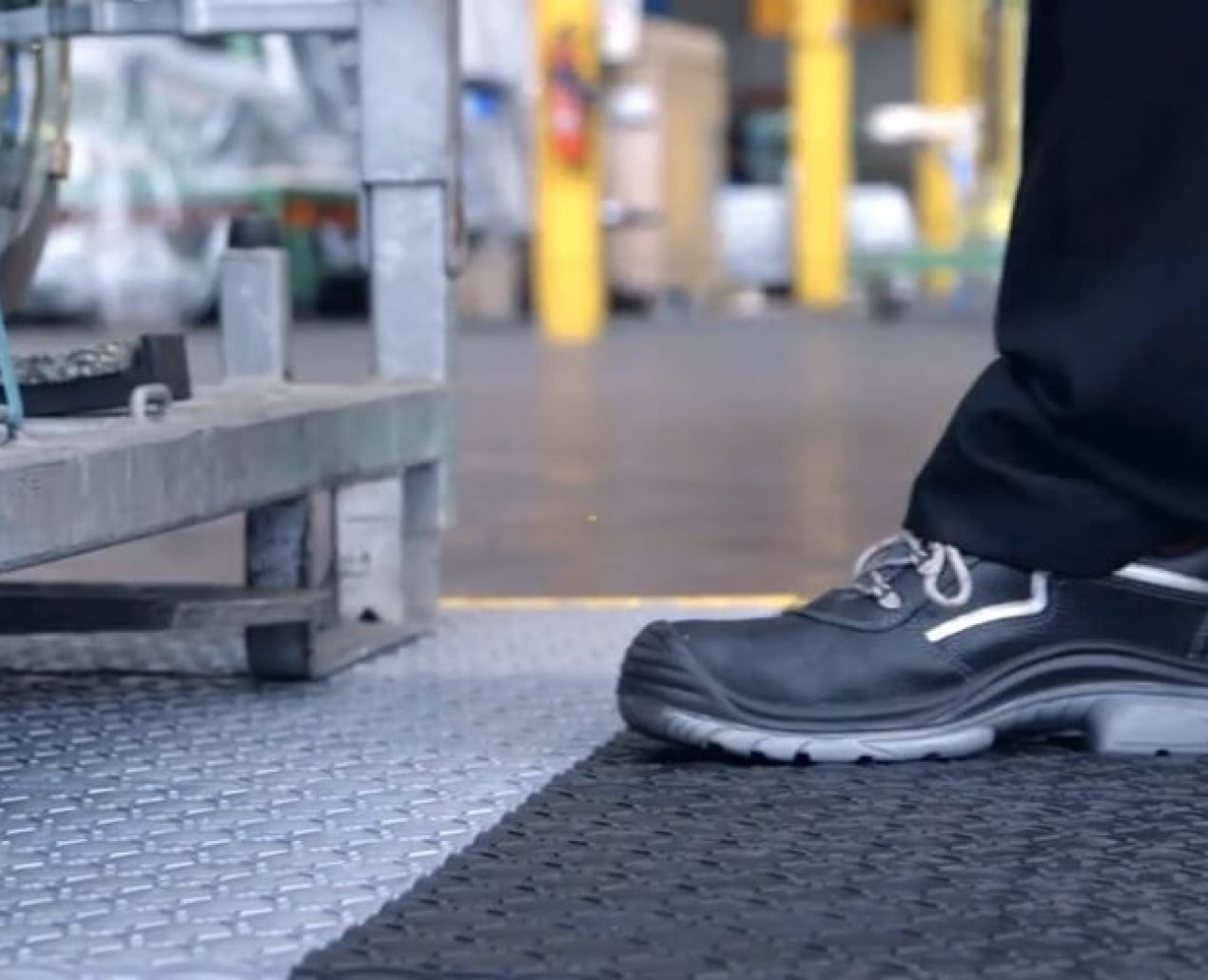
Strata’s anti-fatigue mats do more than reduce fatigue — they act as a thermal barrier, insulating workers from cold floors.
- Thick rubber or modular mats trap heat and reduce the conduction of cold from the floor
- Maintain comfort in even the coldest months
- Can be combined with anti-slip surfaces for safety in wet or drafty areas
Product examples from Strata:
- Use Bubble Mat Standard for general insulation and comfort — warms feet while reducing fatigue.
- Link Bubble Mat Greaseproof where you need both warmth and resistance to oils/grease.
- Suggest Bubble Mat Bespoke for custom zones where standard sizes don’t fit.
- Recommend Dura‑link or Dura‑link Multi for tougher environments where insulation and durability are priorities.
By placing mats strategically where workers stand most, businesses maximise comfort and productivity while keeping costs reasonable.
Bonus Tips for Warm Workstations
- Combine strategies: Socks + anti-fatigue mats + infrared heaters create a layered approach to worker comfort.
- Check placement: Focus on high-use standing zones like packing tables, assembly lines, and inspection areas.
- Maintain mats: Clean and dry mats regularly to ensure thermal performance and longevity.
- Benefits of Keeping Workers Warm on Cold Floors
- Investing in insulated and anti-fatigue flooring solutions provides multiple benefits:
- Reduces discomfort, cold-related complaints, and fatigue
- Improves circulation and focus
- Enhances productivity and morale
- Supports health and safety compliance in cold environments
- Cold floors shouldn’t slow down your operations. By combining simple measures and purpose-built flooring solutions, you can maintain comfort, safety, and efficiency even in winter months.
Final Thoughts
Keeping workers warm on cold floors isn’t just about comfort — it’s about health, productivity, and operational efficiency. Strata’s anti-fatigue matting and modular solutions provide effective insulation from cold floors while improving safety and ergonomics.
Explore Strata’s anti-fatigue matting solutions to create a warmer, safer, and more productive workplace today.