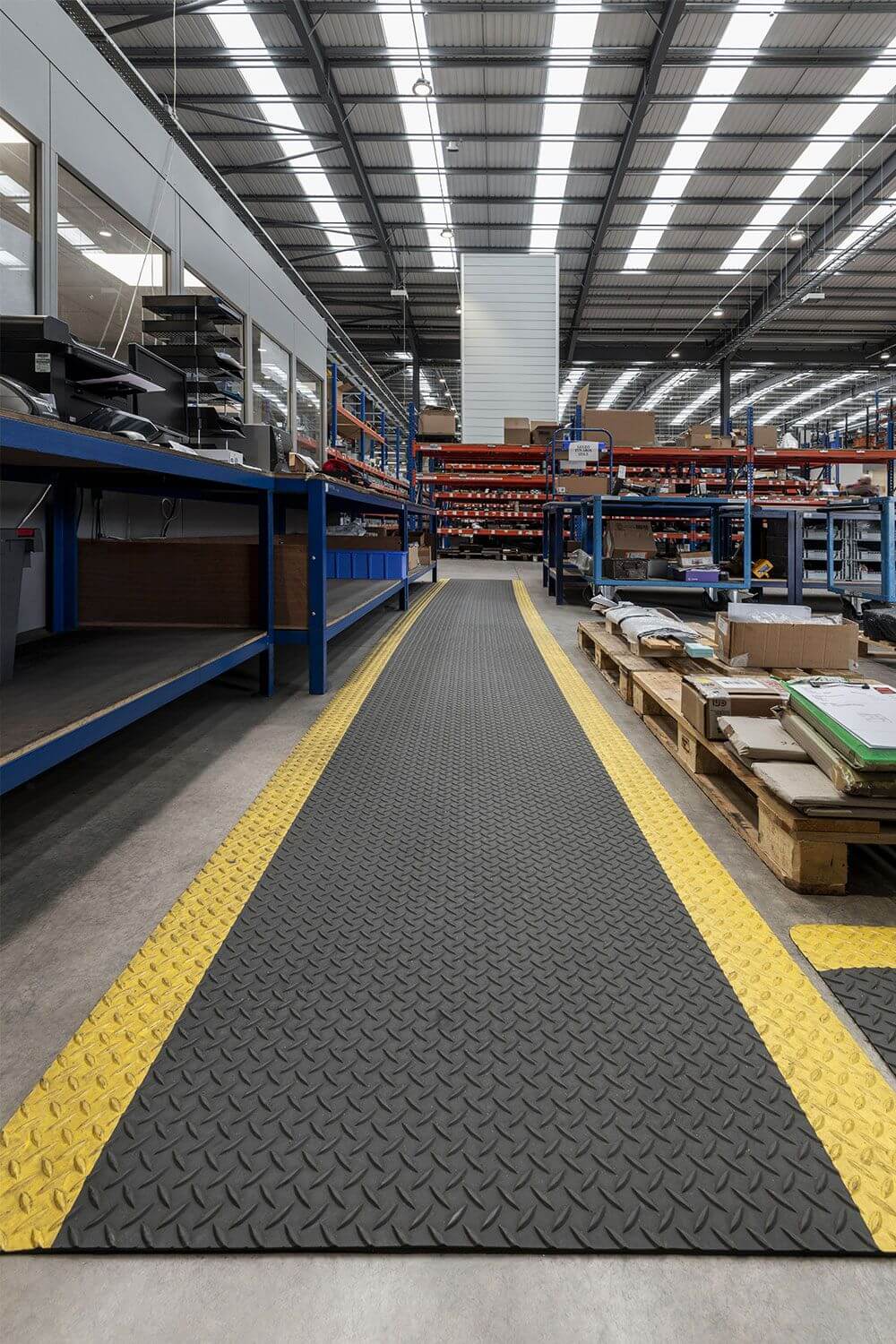
• Where Should You Install Anti-Fatigue Mats? A Zone-by-Zone Guide for Warehouses

    Where Should You Install Anti-Fatigue Mats? A Zone-by-Zone Guide for Warehouses

    When businesses invest in anti-fatigue matting, the focus is often on what to buy—but not always where to install it for maximum impact.

    The truth is, placement matters just as much as product choice.

    Strategically positioning anti-fatigue mats in the right areas of your warehouse or industrial facility can significantly improve worker comfort, reduce fatigue-related injuries, and even boost productivity. In this guide, we’ll break down exactly where anti-fatigue matting delivers the most value—zone by zone.

    Why Placement Matters

    Anti-fatigue mats work by encouraging subtle muscle movement, improving circulation, and reducing strain on joints. But these benefits only apply when mats are installed in areas where workers:

    • Stand for long periods
    • Perform repetitive tasks
    • Experience limited movement

    Installing mats in low-impact areas won’t deliver the same return on investment. That’s why a targeted approach is essential.

    1. Picking and Packing Stations

    Best for: E-commerce, logistics, distribution centres

    Picking and packing stations are one of the most important zones for anti-fatigue matting.

    Workers in these areas often stand in one spot for extended periods while assembling orders, scanning items, or preparing shipments. Over time, this static posture leads to fatigue, discomfort, and reduced concentration.

    Benefits of installing mats here:

    • Reduces foot, leg, and lower back strain
    • Improves focus and accuracy
    • Helps maintain consistent productivity throughout shifts

    Tip: 

    Choose durable, high-quality mats that can withstand frequent foot traffic and equipment use.

    2. Assembly Lines

    Best for: Manufacturing, production environments

    Assembly line workers typically perform repetitive tasks in fixed positions. This combination of repetition and prolonged standing can quickly lead to fatigue and musculoskeletal strain.

    Why matting is essential:

    • Minimises stress on joints during repetitive work
    • Supports better posture over long shifts
    • Reduces the risk of long-term injuries

    Additional consideration: 

    If your environment involves oils or liquids, opt for anti-fatigue mats with drainage or anti-slip properties to maintain safety.

    3. Machine Operator Areas

    Best for: CNC operators, press machines, industrial equipment zones

    Machine operators often remain stationed in a defined area while monitoring or controlling equipment. These roles require concentration, meaning fatigue can directly impact safety and performance.

    Key advantages:

    • Enhances comfort during long monitoring periods
    • Reduces fatigue-related errors
    • Improves overall operator wellbeing

    Tip: 

    Ensure mats fit the operator’s working zone without interfering with machine access or movement.

    4. Quality Control & Inspection Stations

    Best for: Manufacturing, warehousing, production lines

    Inspection tasks require precision and attention to detail—often while standing still. Fatigue in these roles can lead to mistakes, which may affect product quality and customer satisfaction.

    Why install mats here:

    • Supports sustained concentration
    • Reduces physical discomfort
    • Helps maintain accuracy over time

    Even small improvements in comfort can have a noticeable impact on performance in these high-focus areas.

    5. Workbenches and Maintenance Areas

    Best for: Workshops, maintenance teams, repair stations

    Whether assembling components or carrying out repairs, workers at benches often stand for extended periods in one location.

    Benefits:

    • Reduces strain during detailed manual tasks
    • Improves comfort for skilled tradespeople
    • Supports longer, more efficient working periods

    6. Entrances to Work Zones (Transition Areas)

    Best for: Entry points between departments or production areas

    While not always the first place businesses think of, transition zones can benefit from matting—particularly when combined with dirt-trapping or anti-slip solutions.

    Why it matters:

    • Reduces fatigue as workers move between areas
    • Improves traction in high-traffic zones
    • Helps maintain cleaner, safer floors

    This is also an opportunity to integrate moisture and dirt control solutions alongside anti-fatigue support.

    7. Cold Floor Areas

    Best for: Warehouses with concrete flooring, unheated environments

    Cold concrete floors can significantly increase discomfort and fatigue, especially during winter months.

    Why anti-fatigue mats are crucial here:

    • Provide insulation from cold surfaces
    • Improve worker comfort in low-temperature environments
    • Help maintain morale and productivity

    In these areas, matting doesn’t just reduce fatigue—it also helps create a more tolerable working environment.

    Common Mistakes to Avoid

    Even with the right product, poor placement can limit effectiveness. Avoid these common pitfalls:

    Installing mats in low-use areas 

    where workers don’t stand for long periods or spend very little time stationary, meaning the matting provides little to no real benefit.

    Using mats that are too small

    for the working zone leaving parts of the primary standing area uncovered and reducing the overall support and comfort they are designed to provide.

    Ignoring environmental factors

    like moisture, oil, or heavy traffic, which can lead to premature wear, reduced slip resistance, or mats not performing as intended.

    Overlooking high-impact zones

    such as packing stations or assembly lines, where prolonged standing and repetitive tasks make anti-fatigue matting most effective.

    Final Thoughts

    Anti-fatigue matting is one of the simplest and most effective ways to improve workplace comfort and safety—but only when it’s used strategically.

    By focusing on high-impact zones like picking stations, assembly lines, and machine areas, businesses can maximise the return on their investment while supporting employee wellbeing.

    If you’re planning to introduce or upgrade anti-fatigue matting in your facility, start by assessing where your team spends the most time standing. Those are the areas where matting will make the biggest difference.

    Looking to choose the right anti-fatigue solution for your workspace?
    Explore your options based on environment, usage, and durability requirements to ensure you get the best results from your investment.
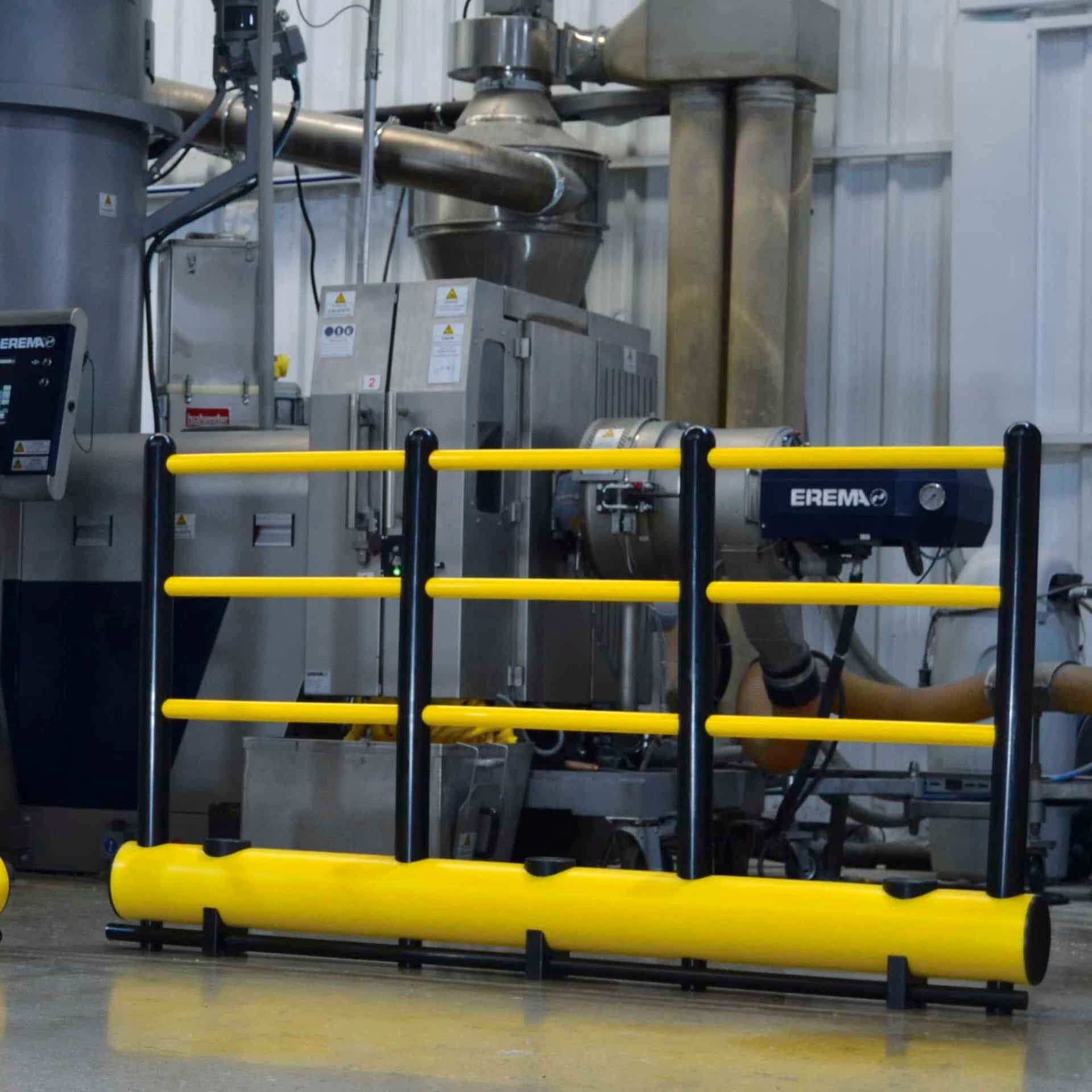

  • Do You Need Safety Barriers? A Practical Guide for UK Factories & Warehouses

    Do You Need Safety Barriers? A Practical Guide for UK Factories & Warehouses

    If you manage or operate a manufacturing facility, warehouse, or industrial site, safety is not optional—it’s operationally critical. Yet many businesses still underestimate the importance of factory safety barriers and other physical protection systems until an incident occurs.

    So, do you actually need safety barriers? In short: almost certainly, yes. But the real question is where, why, and how to implement them effectively.

    Why Safety Barriers Matter in Industrial Environments

    Modern factories and warehouses are high-risk environments. With constant movement of forklifts, pallet trucks, machinery, and personnel, the potential for accidents is significant.

    Industrial safety barricades and barriers serve several essential purposes:

    • Protect employees from moving vehicles and hazardous zones
    • Prevent damage to racking, machinery, and infrastructure
    • Create clear separation between pedestrian and vehicle traffic
    • Support compliance with UK health and safety regulations (including HSE guidance)
    • Reduce costly downtime caused by accidents or repairs

    Without proper barriers in place, even a minor collision can result in serious injury or operational disruption.

    Where Are Safety Barriers Most Needed?

    Not every area requires the same level of protection, but there are key zones where industrial barricades are particularly important:

    High-Traffic Forklift Areas

    Busy transport routes are one of the biggest risk zones. Barriers help separate vehicles from workers and protect structural assets.

    Pedestrian Walkways

    Clearly defined walkways supported by industrial floor markings in factory environments—and reinforced with barriers—greatly reduce collision risks.

    Racking & Storage Systems

    Impact protection barriers prevent forklifts from damaging racking, which could otherwise lead to collapse and serious injury.

    Machinery & Production Lines

    Sensitive equipment and assembly areas benefit from controlled access and physical protection.

    Loading Bays & Entrances

    These are high-impact zones where bollards and barriers are essential for both safety and asset protection.

    Barriers vs. Floor Markings: Do You Need Both?

    A common question is whether floor markings alone are enough.

    The answer: floor markings are essential—but not sufficient on their own.

    • Industrial floor markings in factory settings provide visual guidance and organisation
    • Physical barriers provide enforced protection

    Think of markings as guidance and barriers as guarantees. The most effective safety systems use both together.

    Types of Industrial Safety Barriers

    Depending on your facility, you may need a combination of:

    • Impact Safety Crash Barriers
      Heavy-duty factory safety barriers designed to protect walls, racking, and machinery from vehicle impact in high-traffic industrial areas.
    • Impact Safety Bollards
      Durable industrial barricades that provide targeted protection for entrances, equipment, and key assets against forklift and vehicle collisions.
    • Impact Safety Railings
      Robust industrial safety barricades that separate pedestrian walkways from vehicle routes, enhancing safety in busy factory environments.

    Choosing the right solution depends on traffic levels, vehicle types, and risk exposure.

    Beyond Barriers: A Complete Safety Approach

    While factory safety barriers are essential, they work best as part of a wider industrial safety strategy. You may also consider:

    • Installing warehouse anti-slip solutions and industrial slip prevention systems to reduce accidents in wet or oily areas.
    • Working with floor marking specialists to clearly define pedestrian routes and vehicle zones.
    • Adding impact protection barriers in busy logistics or loading areas to safeguard equipment and infrastructure.
    • Ensuring all solutions are HSE-compliant, giving you full regulatory alignment and safer operations.

    A layered approach that combines barriers, floor markings, and slip prevention systems significantly improves both safety and efficiency.

    Signs You Need Safety Barriers (If You’re Unsure)

    You likely need to upgrade or install barriers if:

    • Near-misses or minor collisions are happening regularly
    • Forklift traffic overlaps with pedestrian routes
    • Racking or equipment has visible impact damage
    • Walkways are unclear or frequently ignored
    • You’re planning a facility upgrade or expansion

    Even one of these is a strong indicator that your current setup may be insufficient.

    The Business Case: It’s Not Just About Compliance

    Investing in industrial safety barricades isn’t just about meeting regulations—it’s about protecting your people, assets, and productivity.

    Benefits include:

    • Reduced accident rates
    • Lower repair and insurance costs
    • Improved workflow organisation
    • Increased employee confidence and morale
    • Stronger compliance with UK safety standards

    Final Thoughts

    So, do you need safety barriers?

    If your facility involves moving vehicles, heavy equipment, or active workflows, the answer is clear: yes—but implemented strategically.

    The most effective environments combine industrial barricades, smart layout planning, and industrial floor markings in factory settings to create a safer, more efficient workspace.

    If you’re reviewing your current setup, now is the right time to assess risks and consider whether your safety infrastructure is truly doing its job.

    Need help choosing the right safety barriers or upgrading your facility? A tailored assessment can identify risks and recommend the most effective solutions for your specific environment.

  • How to Treat Plantar Fasciitis and Reduce Heel Pain

    How to Treat Plantar Fasciitis and Reduce Heel Pain

    What Is Plantar Fasciitis?

    Plantar fasciitis is a common condition that causes heel pain and discomfort along the bottom of the foot. It occurs when the thick band of tissue connecting your heel to your toes — the plantar fascia — becomes inflamed or irritated.

    Symptoms often include:

    • Sharp pain in the heel, especially in the morning
    • Pain that worsens after standing or walking for long periods
    • Tenderness along the arch of the foot

    Risk factors include prolonged standing on hard surfaces, unsupportive footwear, tight calf muscles, and being overweight.

    Common Ways to Relieve Plantar Fasciitis

    Most cases respond well to conservative, at-home measures:

    Rest and Activity Modification

    Reduce high-impact activities like running or prolonged standing to give your feet a break.

    Stretching Exercises

    Regularly stretch your calves, Achilles tendon, and plantar fascia. Simple stretches can significantly reduce morning pain.

    Ice Therapy

    Apply an ice pack or roll a frozen water bottle under your foot for 10–15 minutes to reduce inflammation.

    Supportive Footwear and Orthotics

    Shoes with good arch support and cushioned soles help reduce strain on the plantar fascia.

    Over-the-Counter Pain Relief

    Nonsteroidal anti-inflammatory drugs (NSAIDs) can help manage pain and inflammation when needed.

    Physical Therapy or Night Splints

    For persistent pain, targeted exercises or night splints can help maintain foot alignment and promote healing.

    How Anti-Fatigue Mats Can Help

    Standing on hard surfaces can aggravate plantar fasciitis. Anti-fatigue mats can reduce discomfort and help prevent flare-ups. Here’s how:

    • Redistribute Weight and Reduce Stress
      Mats help spread your body weight more evenly across the foot, reducing pressure on the heel and arch.
    • Encourage Subtle Movement
      Standing on cushioned, slightly flexible surfaces promotes micro-movements that improve circulation and reduce muscle fatigue.
    • Use in Daily Life
      Mats are especially helpful in environments where long standing is unavoidable, such as kitchens, retail, industrial settings, or at standing desks.
    • Additional Benefits of a Quality Mat
      A well-designed mat is durable, slip-resistant, and supportive, offering long-term comfort and minimising strain over hours of standing.

    Tips for Using Anti-Fatigue Mats Effectively

    • Place mats in areas where you stand the most, such as kitchens, workshops, or workstations.
    • Pair mats with supportive shoes or insoles.
    • Take regular short breaks to walk and stretch your feet.
    • Avoid standing still for long periods — small movements reduce tension in the plantar fascia.

    Key Takeaways

    Plantar fasciitis is a manageable condition when approached with the right combination of strategies. Stretching and strengthening exercises for your feet and calves can relieve tension, while supportive footwear helps reduce strain on the plantar fascia. Modifying activities to avoid prolonged standing or high-impact movements, along with appropriate pain management, further aids recovery. Incorporating ergonomic solutions, such as anti-fatigue mats from Strata Sales, can make daily standing more comfortable and prevent flare-ups, helping you stay active without aggravating your condition.

    Explore the range of anti-fatigue mats from Strata Sales to find a solution that suits your workspace and helps reduce foot strain.