Anti-fatigue matting is a specialised workplace flooring solution designed to reduce physical strain for employees who stand for long periods — and yes, when used correctly, it can significantly improve productivity, comfort, and safety.
In industrial environments such as warehouses, factories, production lines, and workshops, standing for extended periods on hard floors puts constant stress on the body. Over time, this leads to fatigue, discomfort, reduced concentration, and even musculoskeletal injuries. Anti-fatigue flooring helps address these issues by encouraging subtle muscle movement, improving circulation, and reducing the physical impact of standing work.
This article explains what anti-fatigue flooring is, how it works, and whether it’s truly worth the investment for industrial and commercial workplaces.
What Is Anti-Fatigue Matting?
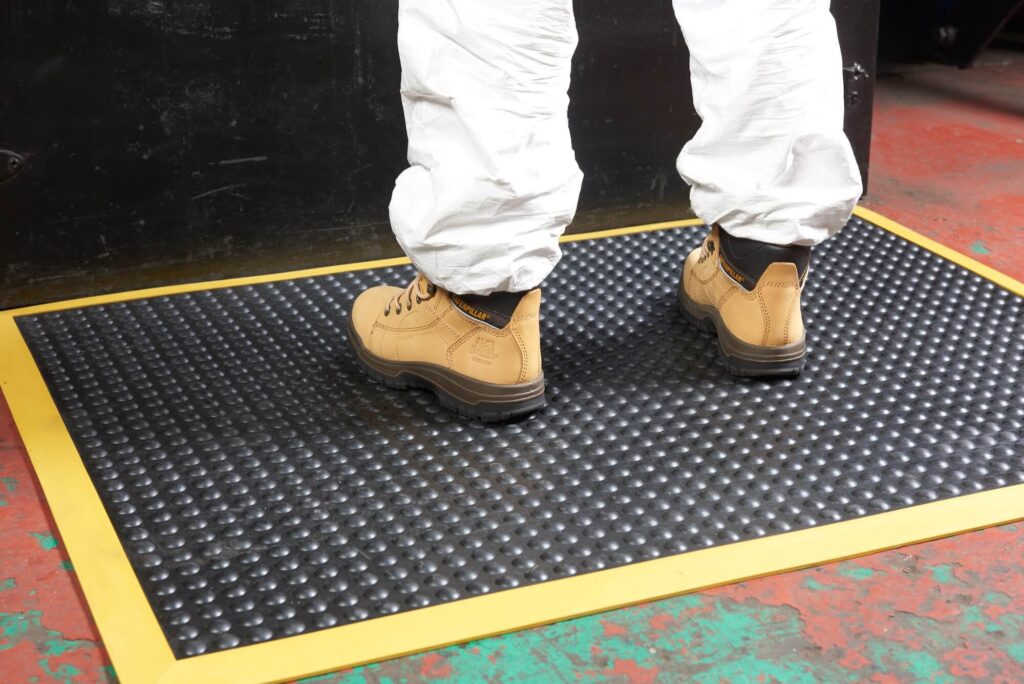
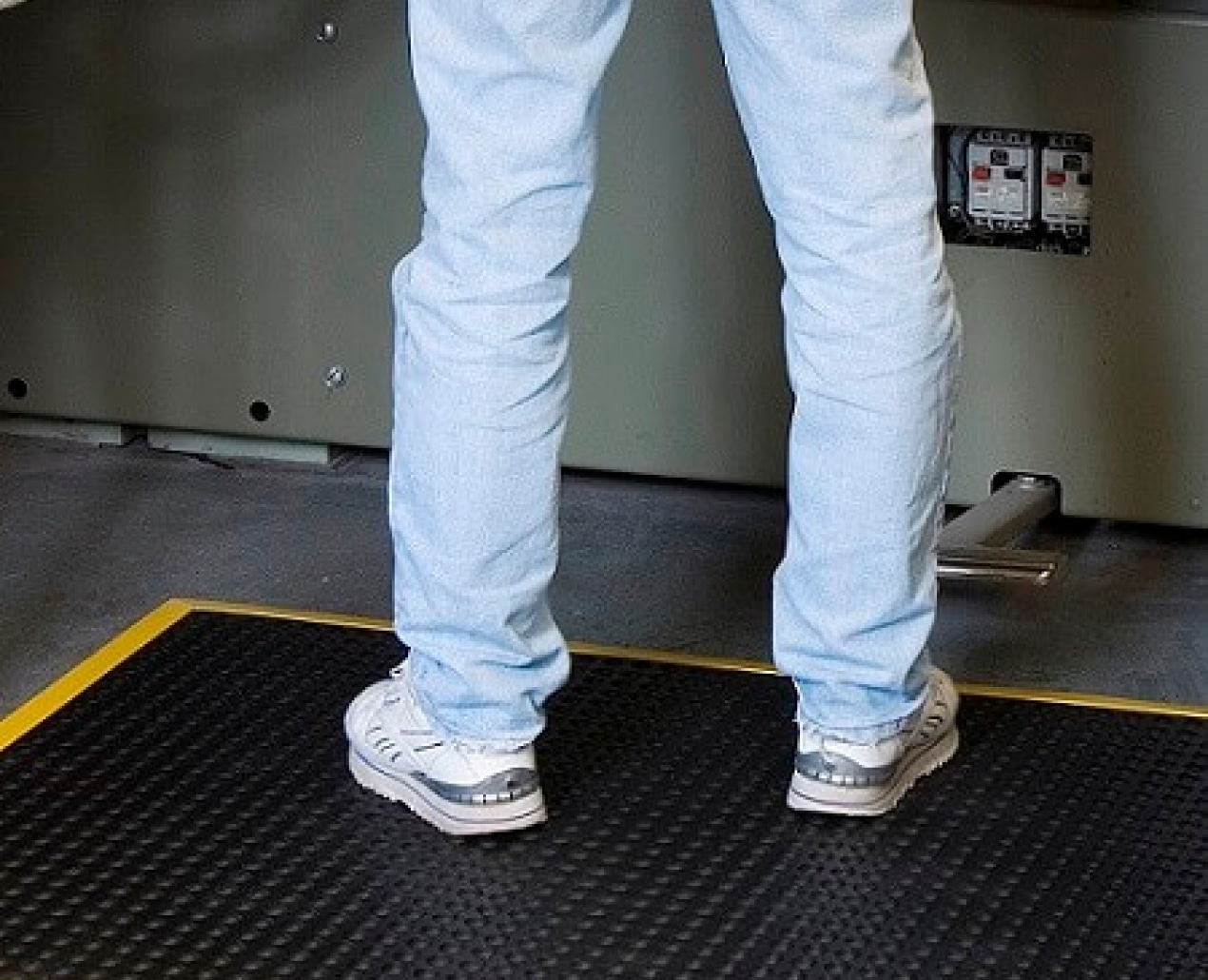
Anti-fatigue matting refers to floor mats or modular flooring systems engineered to provide cushioning and support for workers who stand in one place for prolonged periods.
Unlike standard rubber mats or hard industrial flooring, anti-fatigue solutions are designed to:
- Absorb shock from standing and repetitive movement
- Encourage micro-movements in the legs and feet
- Reduce pressure on joints, muscles, and the lower back
They are commonly installed at workstations, assembly lines, packing areas, machine stations, and inspection points— anywhere workers are required to stand for long shifts.
How Does Anti-Fatigue Matting Work?
Standing on hard surfaces like concrete restricts blood flow and places continuous strain on muscles and joints. Anti-fatigue flooring works by introducing controlled instability, which gently activates muscles in the legs and feet.
This leads to:
- Improved blood circulation
- Reduced muscle fatigue
- Less pressure on the spine and joints
- Increased comfort over long shifts
Over time, these benefits help workers stay more alert, focused, and physically capable throughout the day.
Does Anti-Fatigue Matting Really Improve Productivity?
Yes — when installed in the right areas, anti-fatigue flooring can have a direct and measurable impact on productivity.
Fatigue affects productivity in several ways:
- Slower task completion
- Reduced concentration
- Increased errors
- Higher injury risk
- More frequent breaks
By reducing physical strain, anti-fatigue matting helps workers remain comfortable and focused for longer periods. Many businesses report improvements in:
- Output consistency
- Employee engagement
- Reduced downtime caused by discomfort
- Lower absenteeism related to musculoskeletal issues
In environments where efficiency and accuracy matter, even small productivity improvements can translate into meaningful cost savings.
Which Workplaces Benefit Most from Anti-Fatigue Matting?
Anti-fatigue flooring is especially effective in environments where workers stand for long durations or perform repetitive tasks, including:
- Warehouses and distribution centres
- Manufacturing and production lines
- Food processing facilities
- Assembly and packing stations
- Workshops and maintenance areas
- Retail stockrooms and service counters
If employees regularly stand for more than 2–3 hours per shift, anti-fatigue flooring can make a noticeable difference.
Anti-Fatigue Matting vs Standard Industrial Mats
Not all mats are created equal. A common mistake is assuming any rubber mat will provide anti-fatigue benefits.
| Standard Floor Mats | Anti-Fatigue Matting |
|---|---|
| Primarily protective | Designed for comfort and support |
| Minimal cushioning | Engineered cushioning and rebound |
| Limited ergonomic benefit | Actively reduces fatigue |
| Short-term solution | Long-term ergonomic investment |
Choosing a mat that isn’t purpose-built for fatigue reduction often leads to minimal benefits and faster wear, reducing the return on investment.
Is Anti-Fatigue Matting Worth the Investment?
For most industrial and commercial environments, the answer is yes.
While anti-fatigue flooring may have a higher upfront cost than basic mats, it often delivers value through:
- Improved worker comfort and morale
- Reduced injury risk
- Increased productivity
- Longer product lifespan
- Lower replacement frequency
When compared to the cost of lost productivity, injury claims, or employee turnover, anti-fatigue flooring is typically a cost-effective, preventative solution.
Common Mistakes When Choosing Anti-Fatigue Matting
To get the best results, it’s important to avoid these common mistakes:
- Installing mats in the wrong locations
Anti-fatigue flooring should be placed where workers stand most frequently, not just high-traffic areas. - Choosing the wrong thickness or material
Too soft can cause instability; too hard won’t reduce fatigue effectively. - Ignoring slip resistance
Industrial environments often require mats that balance comfort with safety. - Overlooking durability requirements
High-traffic or heavy-duty environments need mats designed to withstand wear.
Selecting the right solution for your specific environment is key to seeing real benefits.
How to Choose the Right Anti-Fatigue Matting for Your Workplace
When selecting anti-fatigue flooring, consider:
- Duration of standing
- Type of work being performed
- Environmental conditions (wet, oily, cold, dry)
- Footwear worn by employees
- Cleaning and maintenance requirements
High-quality industrial anti-fatigue flooring is designed to perform consistently under demanding conditions while maintaining comfort and safety.
Final Thoughts: Is Anti-Fatigue Matting Right for You?
If your workforce spends long hours standing on hard floors, anti-fatigue flooring isn’t just a comfort upgrade — it’s a strategic investment in productivity, safety, and employee wellbeing.
When properly selected and installed, it can reduce fatigue, improve focus, and support a healthier, more efficient workplace.
Explore professional anti-fatigue matting solutions designed for industrial environments, or speak with an expert to identify the best option for your workspace.