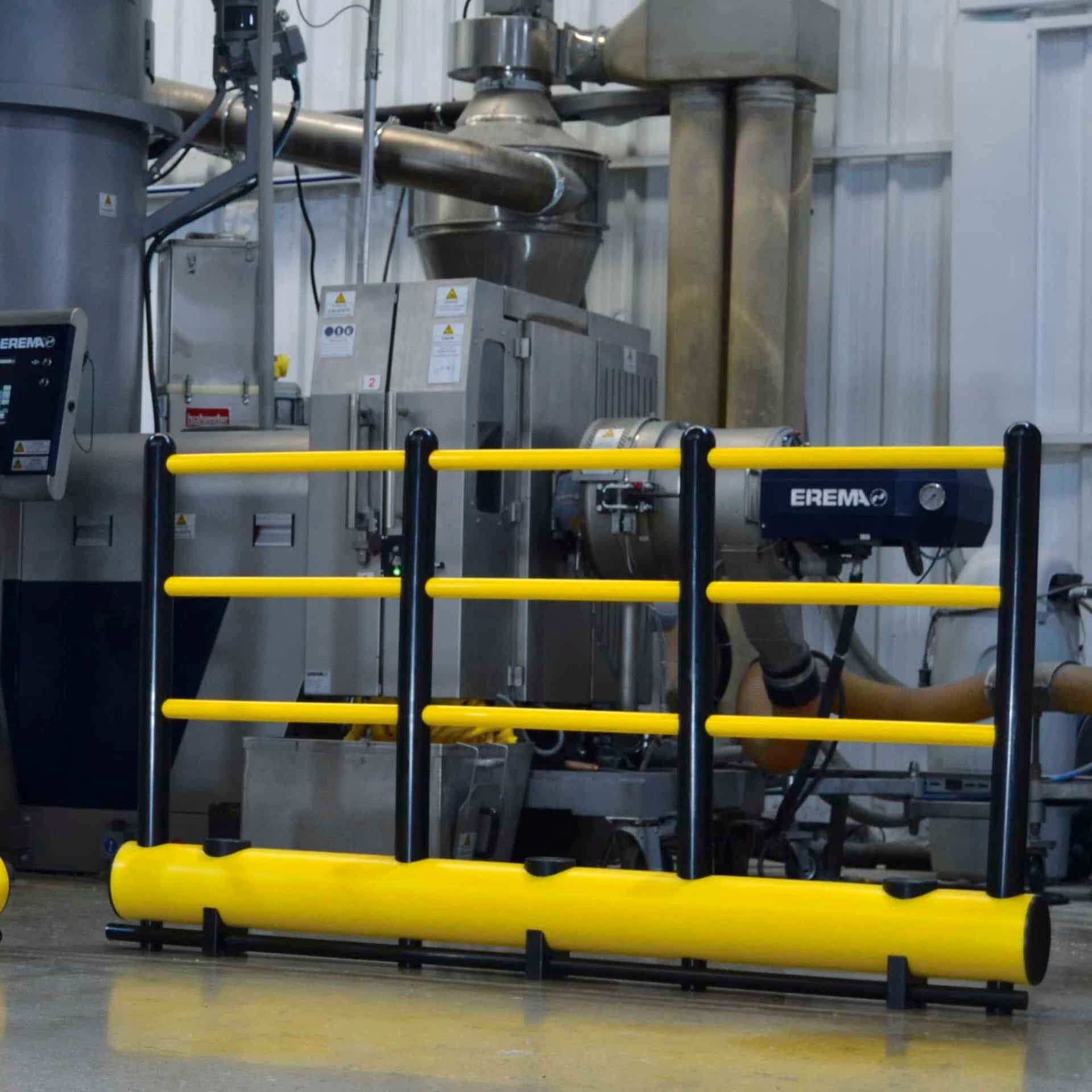
If you manage or operate a manufacturing facility, warehouse, or industrial site, safety is not optional—it’s operationally critical. Yet many businesses still underestimate the importance of factory safety barriers and other physical protection systems until an incident occurs.
So, do you actually need safety barriers? In short: almost certainly, yes. But the real question is where, why, and how to implement them effectively.
Why Safety Barriers Matter in Industrial Environments
Modern factories and warehouses are high-risk environments. With constant movement of forklifts, pallet trucks, machinery, and personnel, the potential for accidents is significant.
Industrial safety barricades and barriers serve several essential purposes:
- Protect employees from moving vehicles and hazardous zones
- Prevent damage to racking, machinery, and infrastructure
- Create clear separation between pedestrian and vehicle traffic
- Support compliance with UK health and safety regulations (including HSE guidance)
- Reduce costly downtime caused by accidents or repairs
Without proper barriers in place, even a minor collision can result in serious injury or operational disruption.
Where Are Safety Barriers Most Needed?
Not every area requires the same level of protection, but there are key zones where industrial barricades are particularly important:
High-Traffic Forklift Areas
Busy transport routes are one of the biggest risk zones. Barriers help separate vehicles from workers and protect structural assets.
Pedestrian Walkways
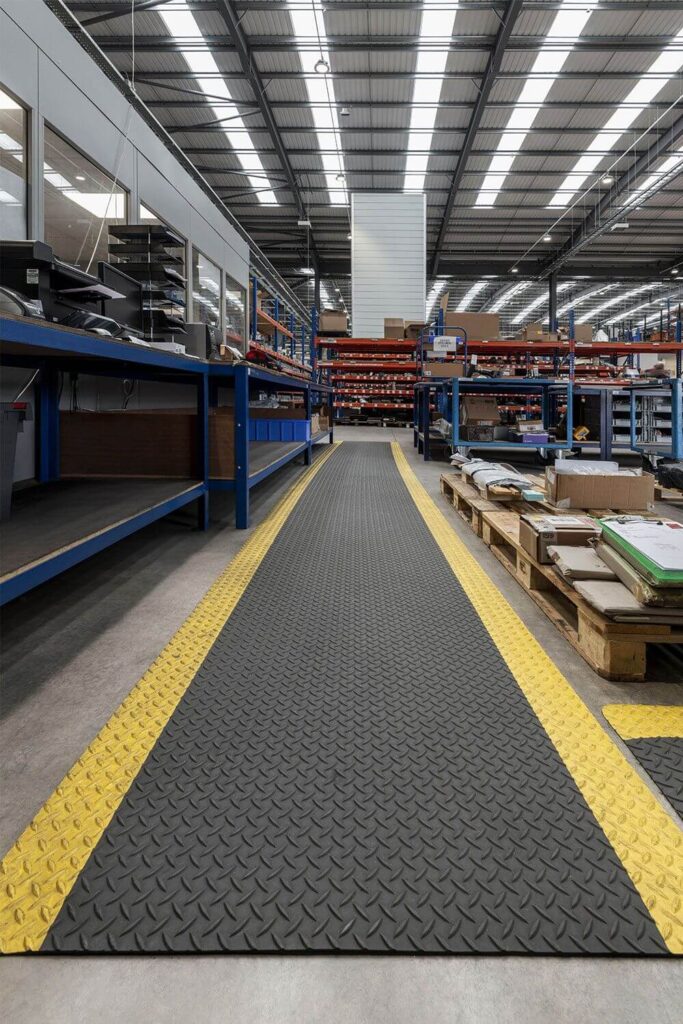
Clearly defined walkways supported by industrial floor markings in factory environments—and reinforced with barriers—greatly reduce collision risks.
Racking & Storage Systems
Impact protection barriers prevent forklifts from damaging racking, which could otherwise lead to collapse and serious injury.
Machinery & Production Lines
Sensitive equipment and assembly areas benefit from controlled access and physical protection.
Loading Bays & Entrances
These are high-impact zones where bollards and barriers are essential for both safety and asset protection.
Barriers vs. Floor Markings: Do You Need Both?
A common question is whether floor markings alone are enough.
The answer: floor markings are essential—but not sufficient on their own.
- Industrial floor markings in factory settings provide visual guidance and organisation
- Physical barriers provide enforced protection
Think of markings as guidance and barriers as guarantees. The most effective safety systems use both together.
Types of Industrial Safety Barriers
Depending on your facility, you may need a combination of:
- Impact Safety Crash Barriers
Heavy-duty factory safety barriers designed to protect walls, racking, and machinery from vehicle impact in high-traffic industrial areas. - Impact Safety Bollards
Durable industrial barricades that provide targeted protection for entrances, equipment, and key assets against forklift and vehicle collisions. - Impact Safety Railings
Robust industrial safety barricades that separate pedestrian walkways from vehicle routes, enhancing safety in busy factory environments.
Choosing the right solution depends on traffic levels, vehicle types, and risk exposure.
Beyond Barriers: A Complete Safety Approach
While factory safety barriers are essential, they work best as part of a wider industrial safety strategy. You may also consider:
- Installing warehouse anti-slip solutions and industrial slip prevention systems to reduce accidents in wet or oily areas.
- Working with floor marking specialists to clearly define pedestrian routes and vehicle zones.
- Adding impact protection barriers in busy logistics or loading areas to safeguard equipment and infrastructure.
- Ensuring all solutions are HSE-compliant, giving you full regulatory alignment and safer operations.
A layered approach that combines barriers, floor markings, and slip prevention systems significantly improves both safety and efficiency.
Signs You Need Safety Barriers (If You’re Unsure)
You likely need to upgrade or install barriers if:
- Near-misses or minor collisions are happening regularly
- Forklift traffic overlaps with pedestrian routes
- Racking or equipment has visible impact damage
- Walkways are unclear or frequently ignored
- You’re planning a facility upgrade or expansion
Even one of these is a strong indicator that your current setup may be insufficient.
The Business Case: It’s Not Just About Compliance
Investing in industrial safety barricades isn’t just about meeting regulations—it’s about protecting your people, assets, and productivity.
Benefits include:
- Reduced accident rates
- Lower repair and insurance costs
- Improved workflow organisation
- Increased employee confidence and morale
- Stronger compliance with UK safety standards
Final Thoughts
So, do you need safety barriers?
If your facility involves moving vehicles, heavy equipment, or active workflows, the answer is clear: yes—but implemented strategically.
The most effective environments combine industrial barricades, smart layout planning, and industrial floor markings in factory settings to create a safer, more efficient workspace.
If you’re reviewing your current setup, now is the right time to assess risks and consider whether your safety infrastructure is truly doing its job.
Need help choosing the right safety barriers or upgrading your facility? A tailored assessment can identify risks and recommend the most effective solutions for your specific environment.