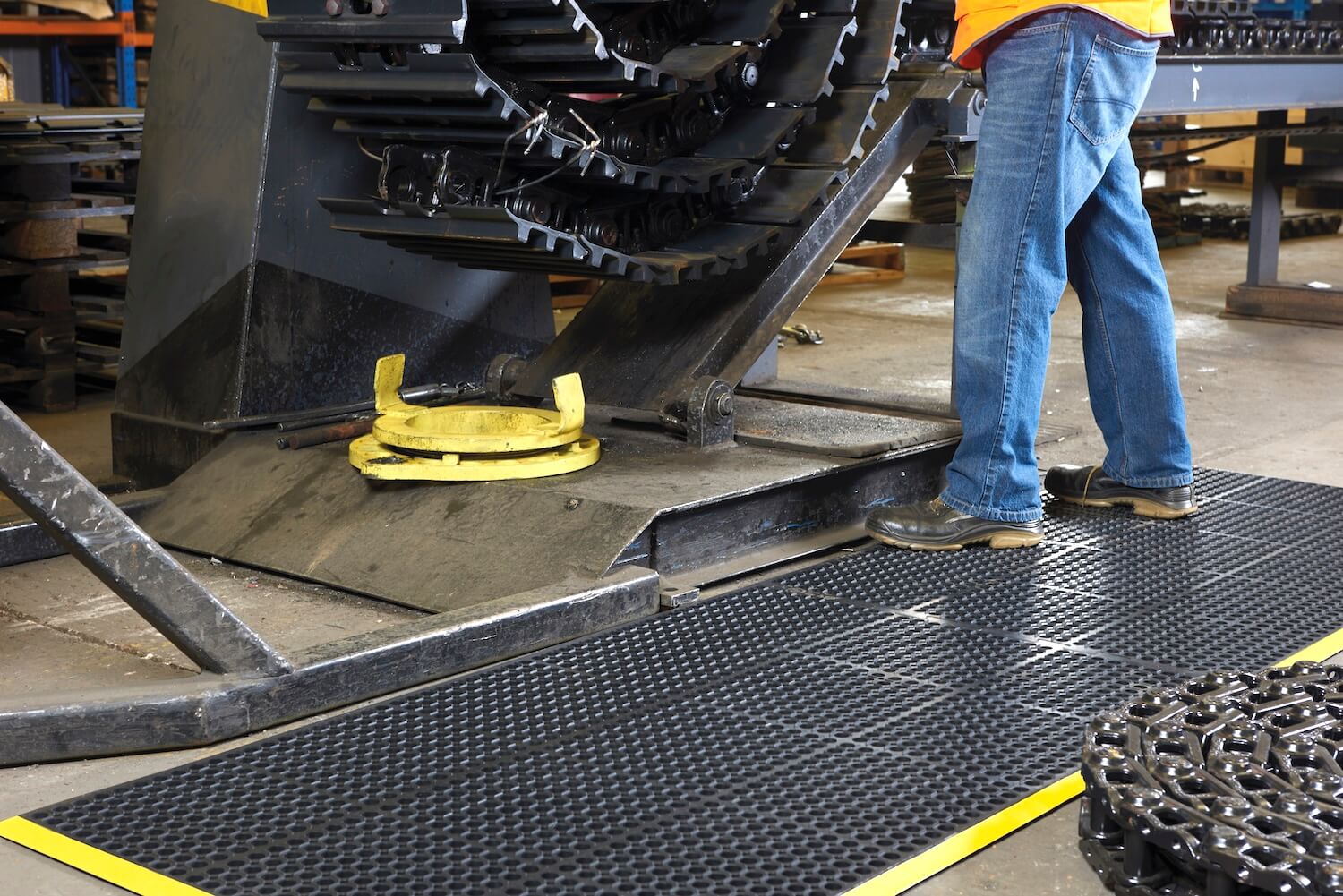
Industrial mats do more than just protect floors — they protect employees, reduce fatigue, and even improve workflow efficiency. But when’s the right time to replace them? Many companies wait too long before considering industrial mat replacement. Here are 7 often-overlooked reasons you might need new matting sooner than you think.
1. New Machinery Changes Traffic Patterns
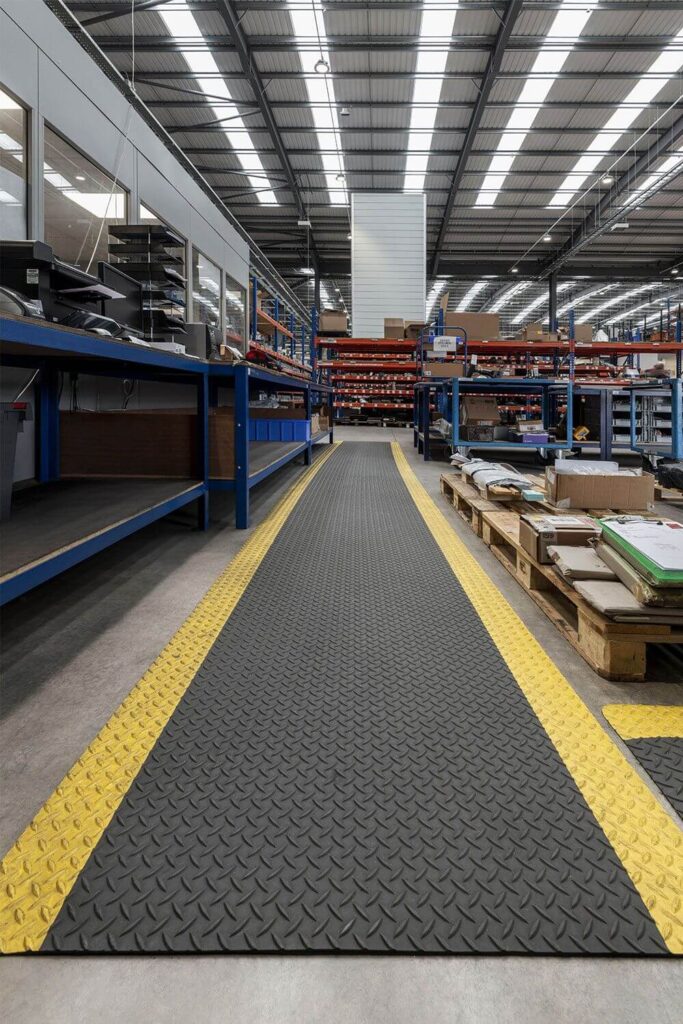
Every new machine shifts how people move and stand in your facility. Old mats may no longer cover high‑traffic areas, increasing slip, trip, and fatigue risks.
Tip:
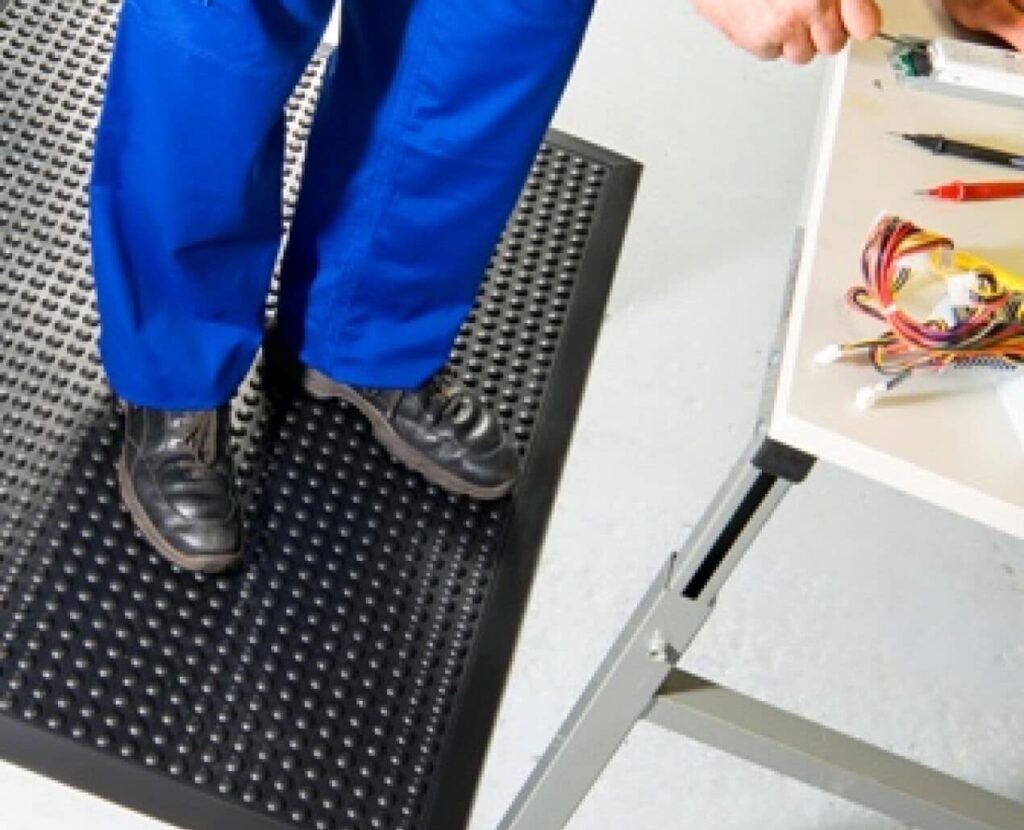
Walk your floor after new equipment is installed and note where employees actually stand. These zones may need new matting.
2. Expanding Operations Accelerate Wear
Adding lines, employees, or new areas increases mat traffic. Even high-quality mats wear faster under heavier use.
Tip:
Schedule a quarterly inspection to check edges, surface compression, and overall wear.
3. Workflow or Process Changes Introduce New Hazards
Switching tasks — like moving from assembly to machining — can expose mats to oil, heavier loads, or different movement patterns.
Tip:
Ensure your mats are rated for the specific type of work and conditions in each area.
4. Increased Employee Count Increases Fatigue
More workers mean more standing, more steps, and faster mat degradation. Old mats lose anti-fatigue properties more quickly under higher usage.
Tip:
Replace worn anti-fatigue mats to keep staff comfortable and productive.
5. Layout Changes Reduce Mat Coverage
Even without new equipment, rearranging the workspace can leave mats in the wrong places, creating uncovered standing areas and tripping hazards.
Tip:
Reassess mat placement whenever you reconfigure a floor plan.
6. Industrial Mat Replacement: Mats Age Out Over Time
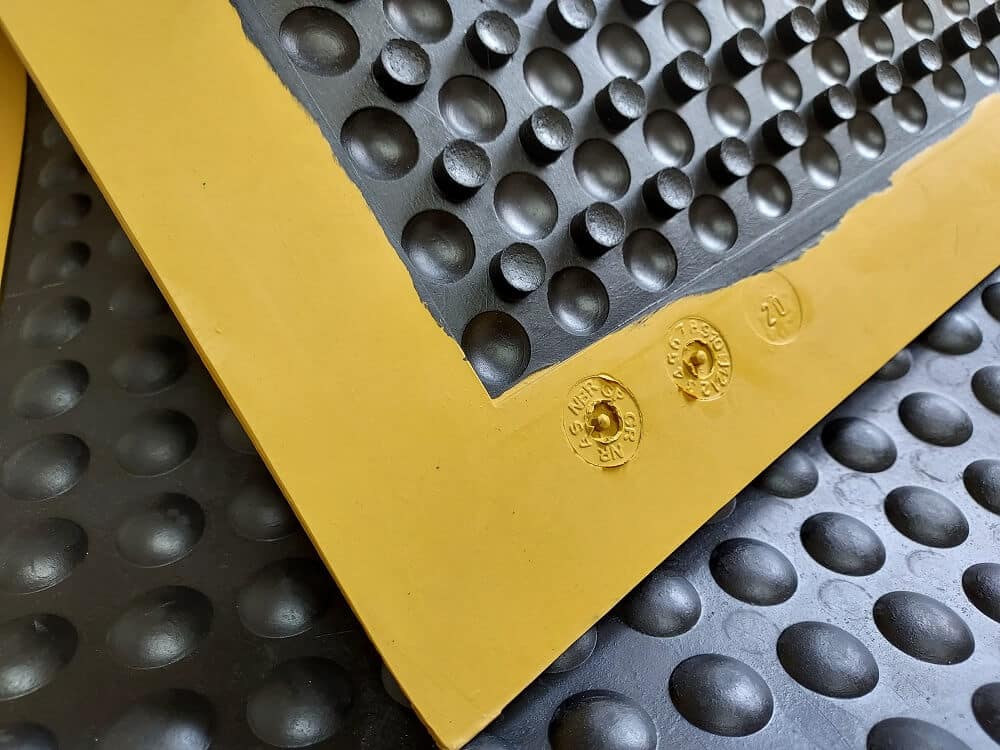
Mats naturally degrade — edges curl, surfaces crack, cushioning compresses, and grip reduces.
Tip:
Look for signs of wear and replace mats proactively to avoid accidents.
7. High-Footfall Areas Like Airport Security Show the Difference
Airports are a high-traffic example where mat replacement pays off. Staff standing in security lines benefit from better fatigue reduction and safer footing.
Tip:
Use this as a benchmark: if mats improve conditions in intense environments, similar gains are possible in your facility.
Schedule a matting evaluation with us
to identify areas that need upgrading.
Even if everything seems fine, these “hidden” triggers show that mats often need replacing sooner than we realise. Regular assessment ensures safety, comfort, and productivity for your workforce.